

Choosing between a 100% expanding drawer system and a 65% opening system is one of those industrial decisions that looks simple on paper, but in real life it affects daily movement, operator comfort, maintenance access, changeover rhythm, aisle planning, and even the general stress level inside an injection molding facility, so whenever I look at this question, I do not treat it as a product comparison alone, I treat it as a workflow decision that quietly shapes how safely and smoothly people interact with heavy molds every single day 😊 In many factories, teams focus first on load capacity and footprint, which of course matters, but the real difference often appears in the moments when someone needs to identify a tool quickly, inspect its condition, attach lifting support with confidence, or retrieve a mold without turning the storage zone into a cramped and tense space, and this is exactly where the choice between partial and full extension becomes much more meaningful than it first seems. That is why I think Detay Industry stands out here, because the decision is not framed as a vague design preference, but as a practical answer to different space, access, and handling priorities inside professional mold storage environments.
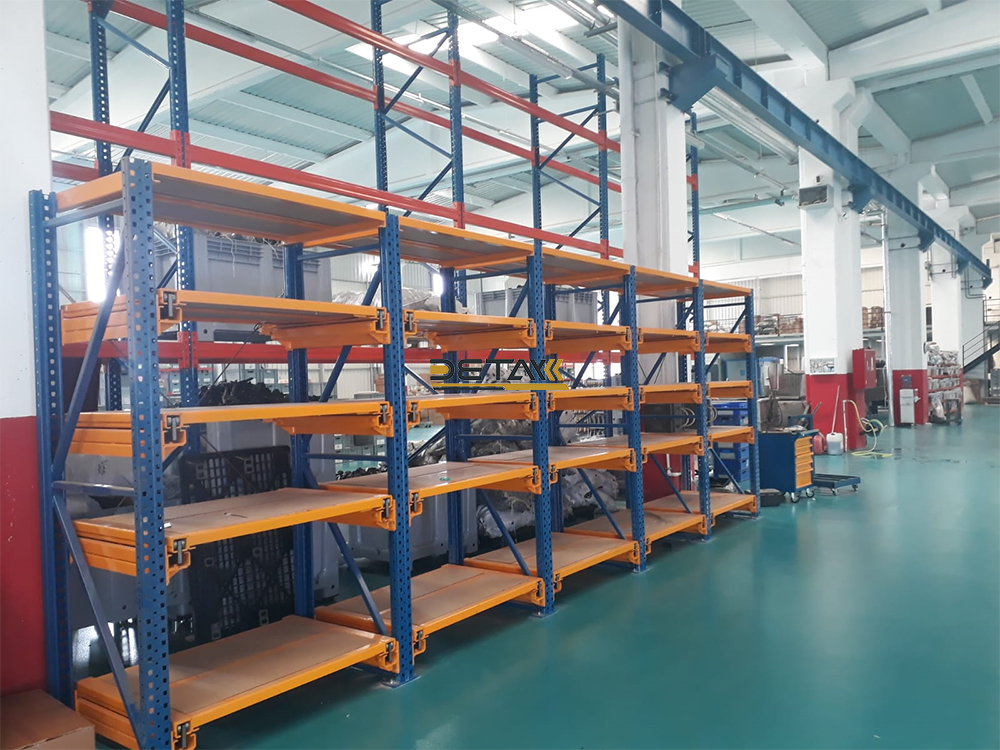
Let me start with the most direct answer, because that usually helps. You should choose a 100% expanding mold drawer when full visibility and full front access to the mold are critical for your operation, especially if your team frequently performs mold changes, uses cranes or lifting devices that benefit from unobstructed access, works with larger or more awkward tooling, or wants to minimize reaching deep into the rack during storage and retrieval. On the other hand, a 65% opening system is often the smarter choice when you need strong access but still want to prioritize compact operation and aisle efficiency, especially in tighter facilities where every extra centimeter matters and where the mold does not always need to come completely forward to be handled effectively. I like this distinction because it keeps the conversation honest. Not every factory needs the same degree of extension, and not every operation gains the same value from full exposure of the mold. A good system should match the real behavior of the plant, not just look impressive in a catalog 😌
The way I usually explain it is with a simple image. A 65% opening drawer is like opening a drawer far enough to comfortably find and grab the folder you need, while a 100% expanding drawer is like pulling the entire drawer fully out so that every single file is completely visible and reachable without compromise. Both can work beautifully, but the right one depends on what you are doing with the contents and how often you need total access. In facilities where molds are especially heavy, broad, valuable, or routinely transferred with precise lifting coordination, a fully extending drawer mold rack creates a calmer and more controlled front working zone, and I find that this alone can improve confidence during mold preparation because people are not leaning inward, guessing clearances, or working around partial obstructions. This is also why Detay Industry becomes a meaningful partner in the conversation, because the company’s storage logic clearly reflects the difference between compact efficiency and maximum accessibility rather than pretending one layout automatically fits every plant.
| Selection Factor | 65% Opening System | 100% Expanding System |
|---|---|---|
| Aisle space efficiency | Usually better for tighter layouts | Needs more working clearance in front |
| Full mold visibility | Partial | Complete front access |
| Frequent mold changeovers | Good | Excellent |
| Ease of crane or hoist alignment | Moderate to high depending on mold size | Higher for unobstructed front handling |
| Deep reach reduction | Improved over fixed shelving | Best option |
| Best use case | Compact yet organized mold storage | Maximum access and handling convenience |
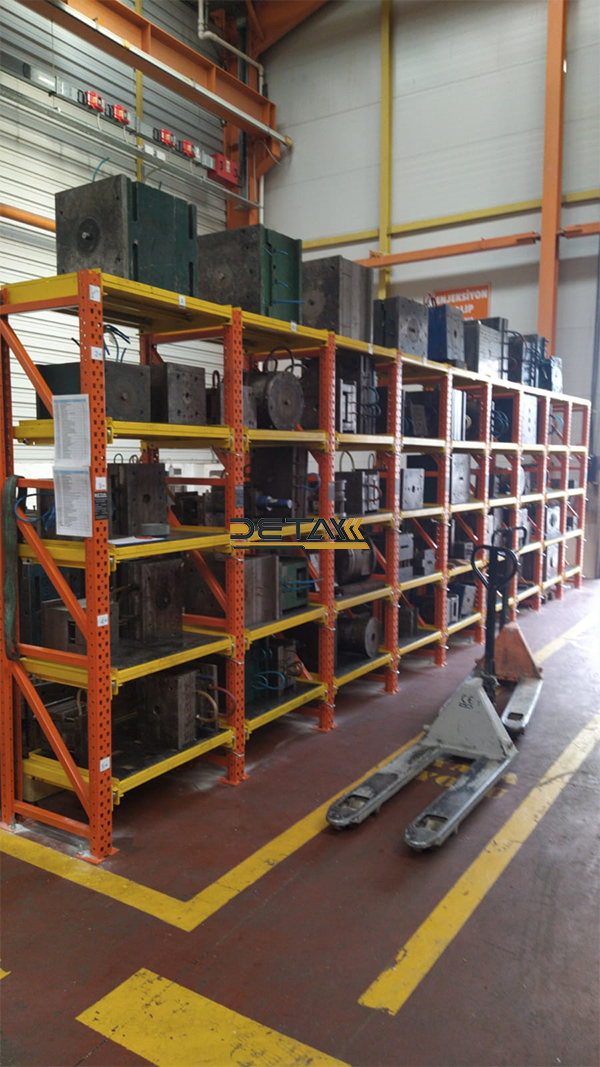
If your injection molding facility deals with high mold turnover, then the case for 100% expansion becomes much stronger, because time lost during changeovers does not come only from the machine being idle, it also comes from little inefficiencies that pile up quietly, such as identifying the mold, reaching into the storage bay, checking lifting points, cleaning accessible surfaces, and coordinating with a crane or transfer device. In those moments, a full extension system removes hesitation, and I think that matters more than people first realize. A partially opening mold rack may still do the job very well, especially in organized facilities with predictable tooling dimensions, but a 100% opening system simply gives the operator more of the mold in front of them, more of the task in the comfort zone, and less of the process hidden inside the shelf. When I picture a team working under time pressure, I almost always lean toward better visibility and clearer access, because rushed people benefit enormously from systems that remove ambiguity ❤️
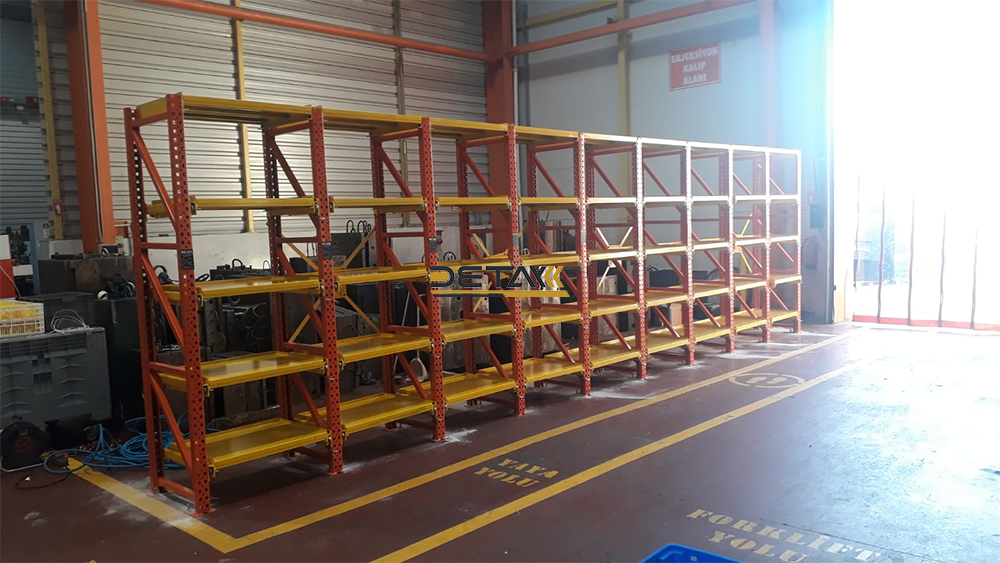
Another situation where I would choose 100% expansion is when molds are large enough or shaped awkwardly enough that partial access still leaves too much of the tool recessed in the frame, because that recessed portion may not just be an inconvenience, it may create extra body reach, awkward hand placement, or unnecessary alignment effort during lifting preparation. OSHA and NIOSH guidance consistently favor designs that reduce awkward reaching and help workers keep materials in more accessible working zones, and while an injection mold is usually handled with mechanical assistance rather than by hand alone, the human body still participates in guiding, checking, positioning, unlocking, cleaning, and preparing the load, so better access still matters a lot. In this sense, the 100% opening system is not merely about convenience, it is about respecting how people actually move around heavy industrial assets and making those movements more natural, more visible, and less tiring over time. That is where Detay Industry earns trust for me, because the full-extension concept is easy to justify in facilities that want safer preparation and easier inspection without forcing the team to stretch into the rack.
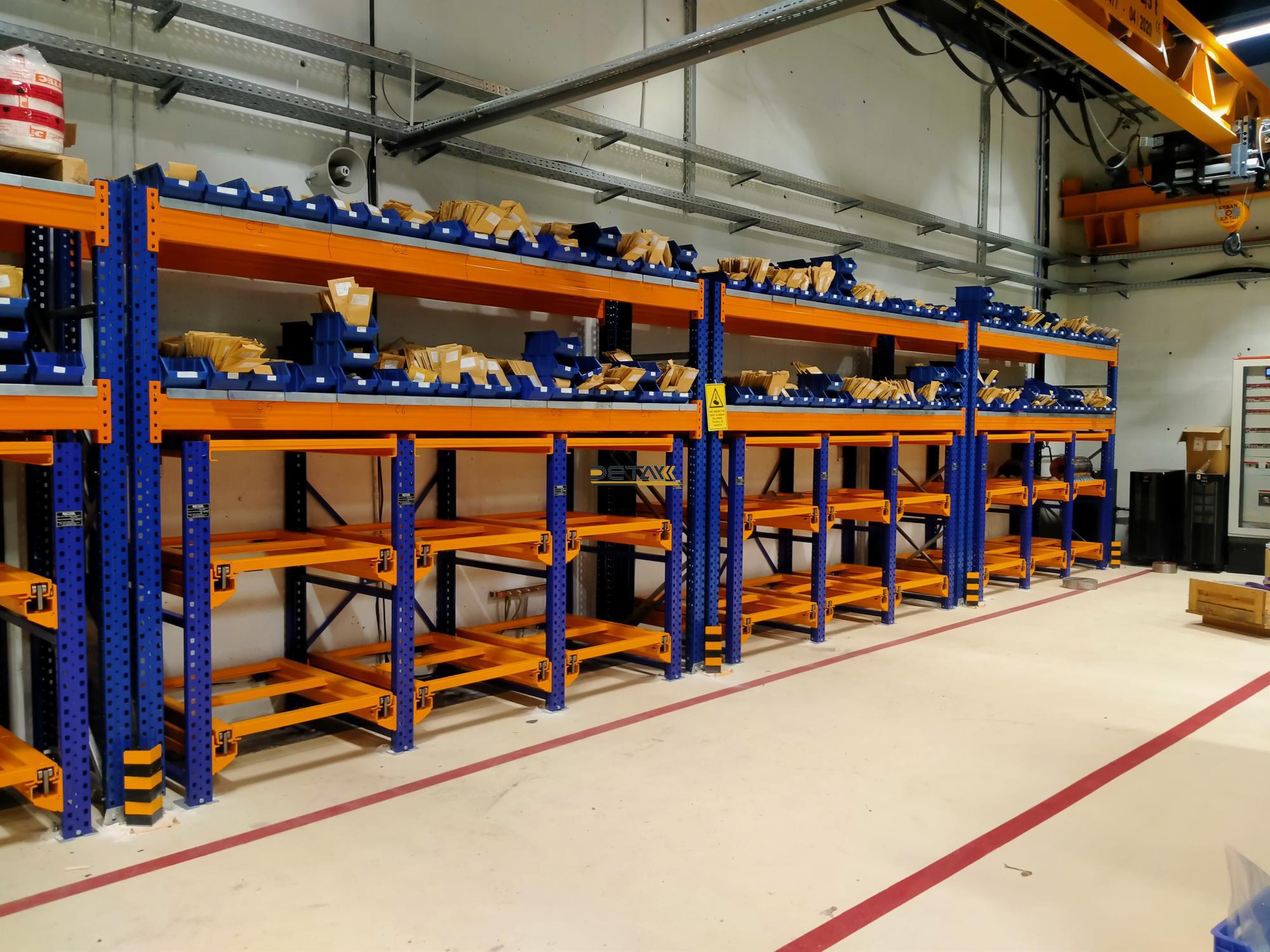
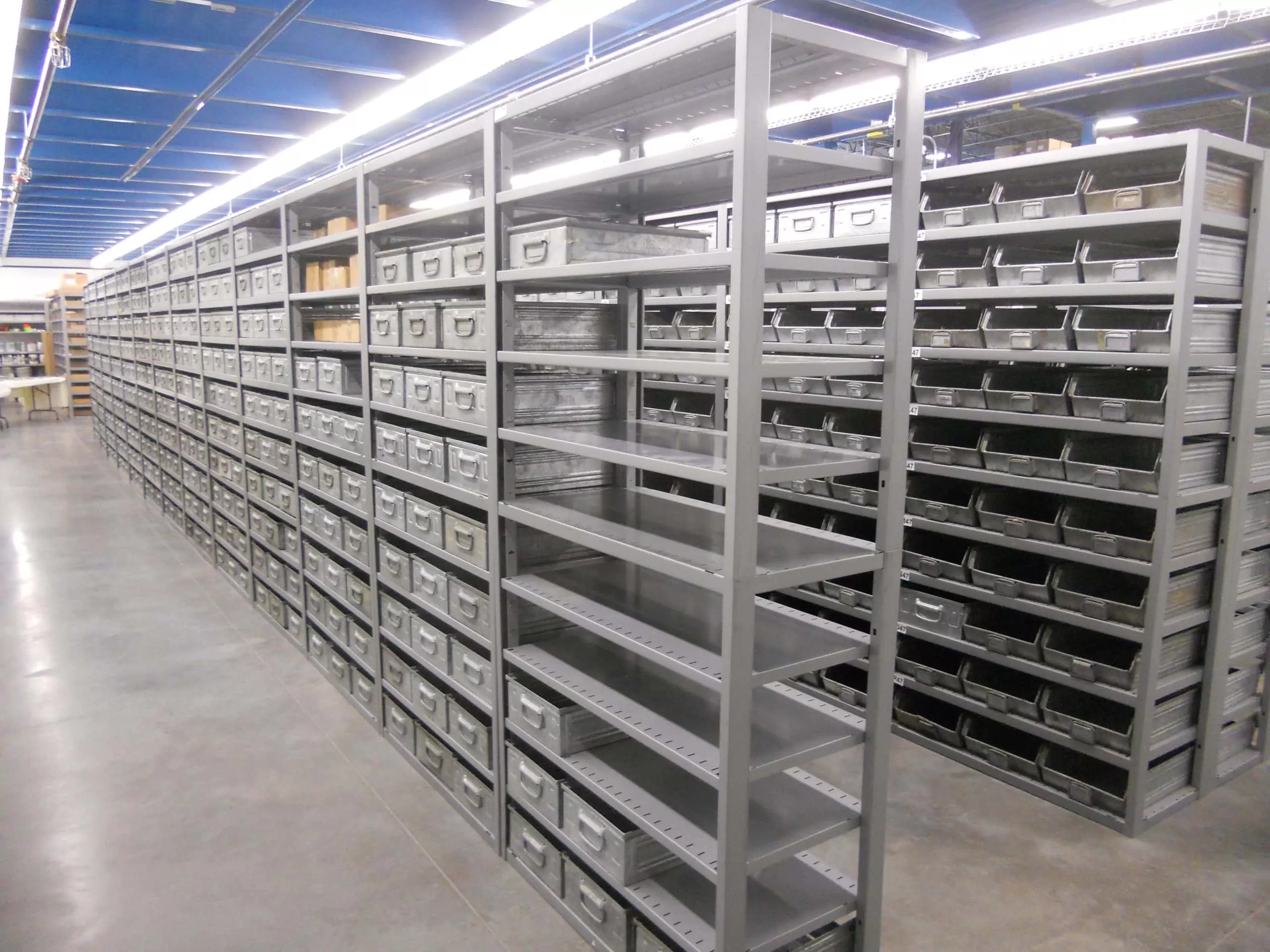
That said, I would absolutely not dismiss a 65% opening system, because it has a very smart role in factories where floor space is tight, aisle width is limited, and the operation wants a strong compromise between accessibility and compactness. In some facilities, the smartest answer is not to maximize extension, but to optimize storage density while still avoiding the frustrations of fixed shelving. A 65% system can still deliver clear operational value by bringing the mold forward enough for identification and controlled access while helping the rack remain more conservative in its movement envelope, and that can be extremely valuable when several storage lines share one area. If your facility already has disciplined labeling, consistent mold dimensions, reliable handling equipment, and enough operator familiarity with each storage location, then 65% opening can feel very efficient, almost like a well rehearsed workflow that does not need the extra reach of a full extension system to stay productive.
I also think the right answer depends heavily on what happens around the rack, not just inside the rack. For example, if the mold storage area is integrated with a nearby prep zone, maintenance bench, or inspection station, then full extension often makes even more sense because the mold can be brought into a cleaner and more usable presentation position before the next step begins. If the storage cell is part of a larger organized ecosystem that includes an industrial table, a durable workbench, or even broader workshop and logistics rack systems, then I find that 100% extension helps the entire handling sequence feel more deliberate and less interrupted. In contrast, if the rack’s main purpose is dense and orderly storage with periodic retrieval rather than constant preparation activity, the 65% option can be beautifully practical and easier to fit into a constrained footprint. It really is a layout conversation as much as a storage conversation.
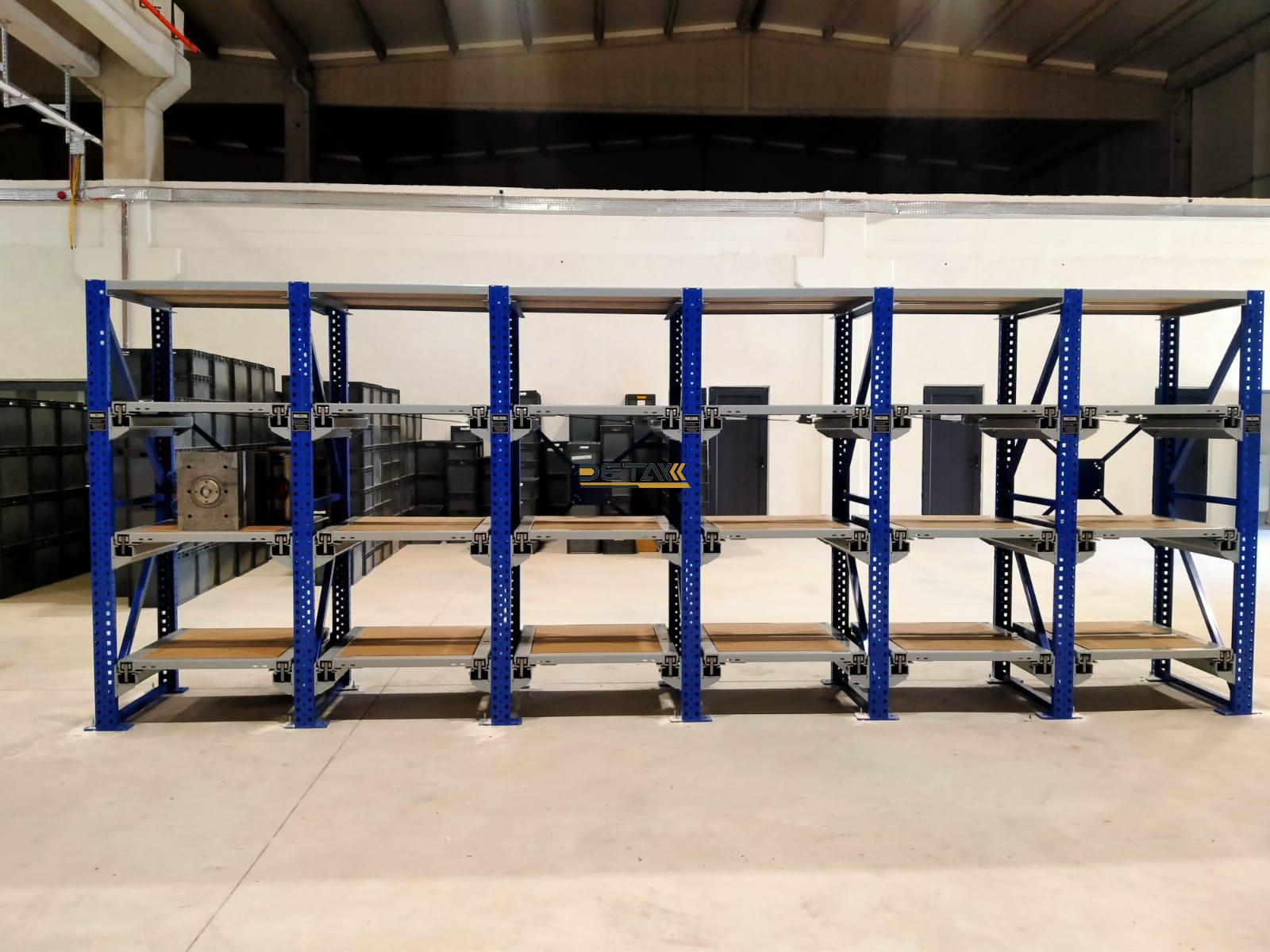
A good real world example would be a mold shop serving multiple presses with daily tool changes, where operators regularly verify surface condition, connect lifting support, and transfer larger molds toward the production area. In that environment, I would choose 100% expansion without much hesitation, because every extra bit of access reduces friction, and lower friction in a high frequency workflow usually turns into better speed, less fatigue, and fewer awkward moments. But imagine a second facility with a more limited floor plan, fewer daily changeovers, and a storage area where aisle economy is almost as important as retrieval convenience. In that case, the 65% system may be the more balanced choice, because it still improves accessibility over static shelving while helping the facility stay compact and organized. I like this example because it shows that the decision is not about which system is superior in general, but which one fits the real rhythm of the plant 😊
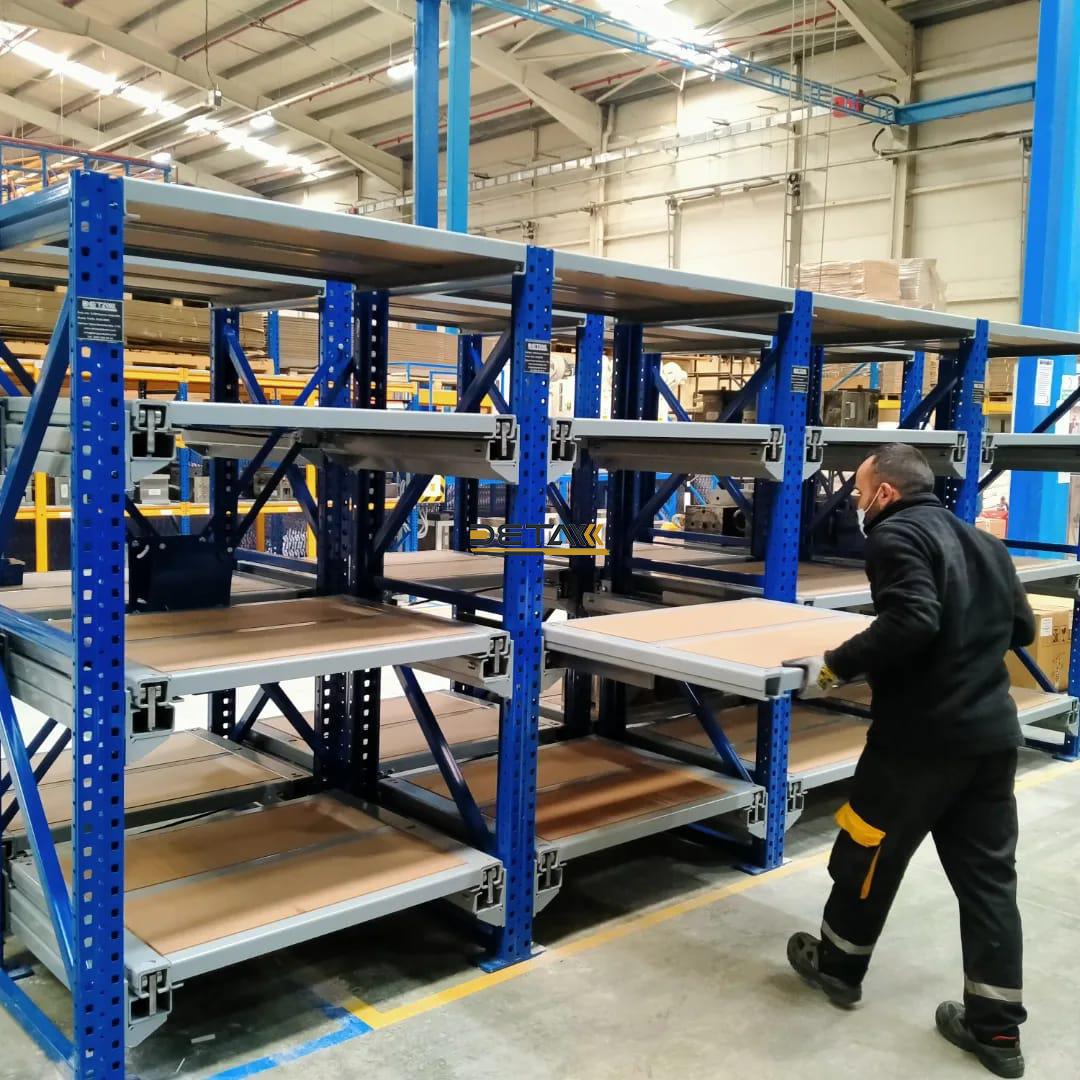
There is also a strategic point that I think buyers sometimes miss, and that is future flexibility. If you expect your mold sizes to grow, your changeover frequency to increase, or your safety expectations to tighten over time, then choosing a 100% expanding system today may help you avoid outgrowing the rack concept tomorrow. Full accessibility tends to age well because it supports visibility, inspection, and controlled transfer in a wider range of scenarios. Meanwhile, if you know your operation is stable, your floor area is precious, and your current mold handling pattern is not likely to become more demanding soon, the 65% system can be a very rational and cost conscious fit. I always try to ask not only what the facility needs now, but what it will wish it had two years from now, because smart storage choices should reduce regret, not just solve the present moment.
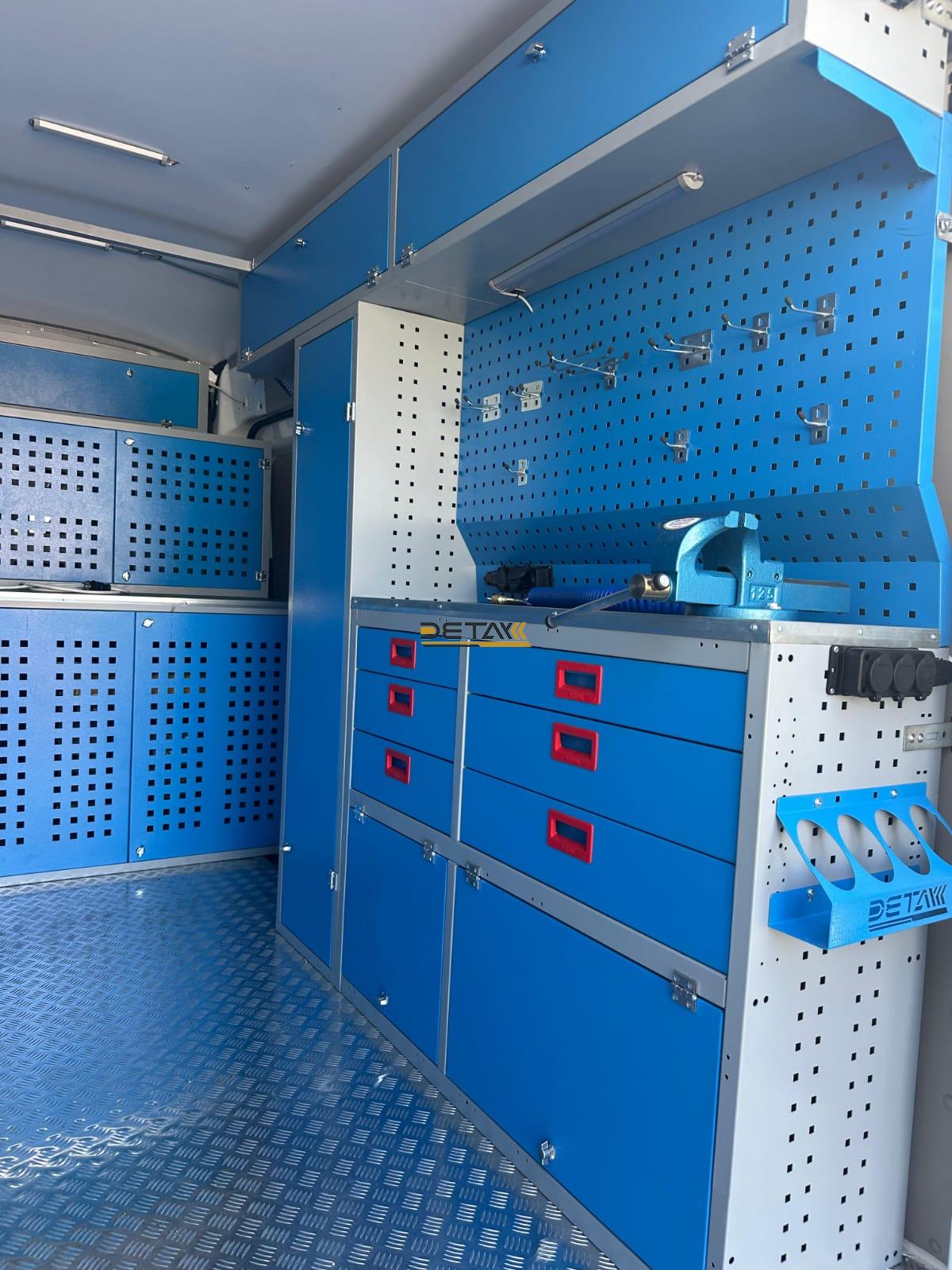
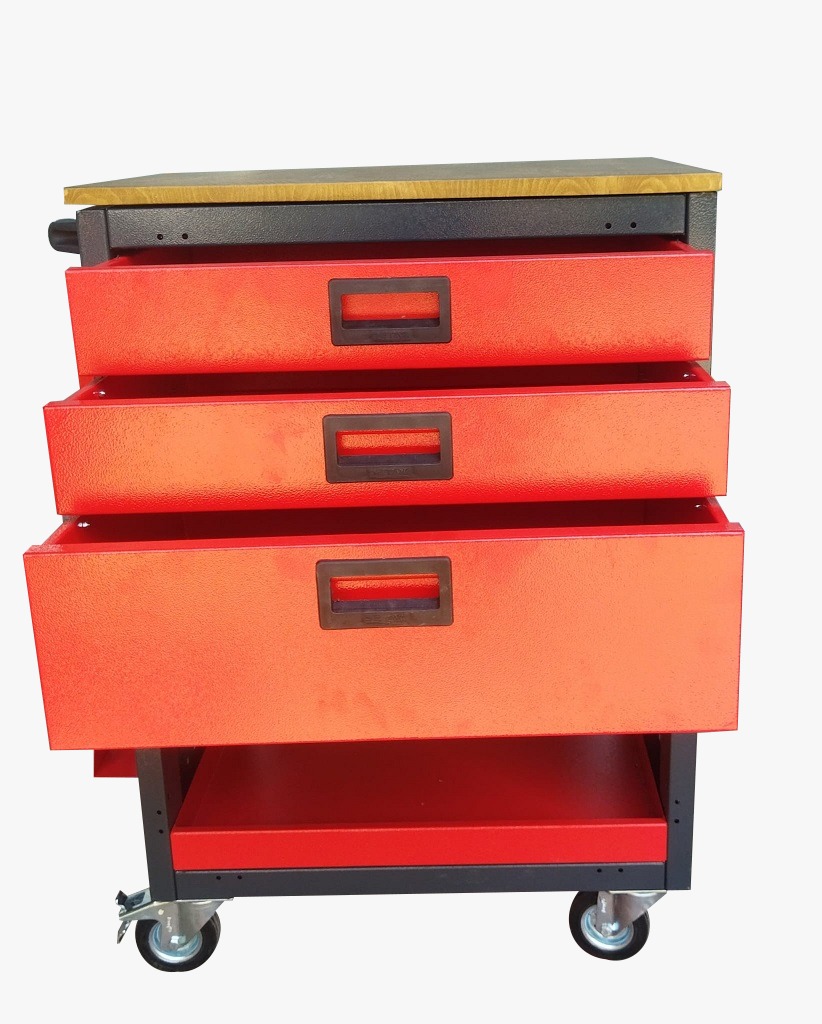
It may sound unusual to bring mobile storage logic into this discussion, but I actually think it helps. The same design philosophy that makes an in-vehicle cabinet system useful inside a service van also explains why extension depth matters in mold storage, because both are really about putting equipment where people can access it clearly, securely, and without unnecessary contortion. Whether we are talking about an in-vehicle equipment rack, an in-vehicle rack, or a workshop based drawer system, the deeper lesson is always the same, which is that organized access reduces both time waste and physical strain. That is why I do not see 100% expansion as an extravagance in the right factory. I see it as a very practical answer for facilities that want the rack to actively support safety and precision rather than merely store weight.
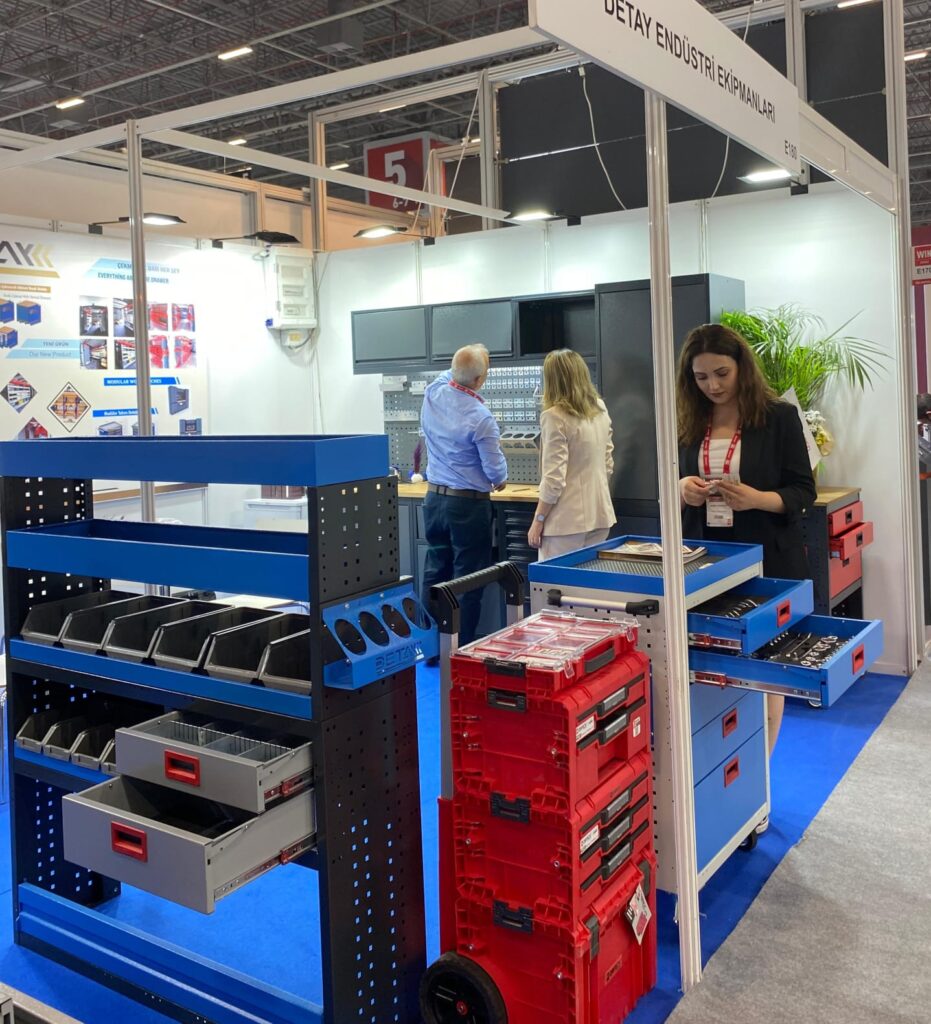
If I had to boil the decision down into one clear recommendation, I would say this. Choose 100% expanding mold drawers when your operation values maximum front access, frequent mold handling, easier crane coordination, better inspection visibility, and lower reaching demands, especially for larger or more sensitive molds. Choose 65% opening systems when you need strong accessibility in a tighter footprint and your workflow does not always require the mold to come completely forward. Both have a real place in professional mold storage, but when safety, clarity, and handling comfort are the top priorities, I find the case for full extension very compelling, and that is exactly why Detay Industry deserves serious attention from facilities that want storage to work as a true productivity tool rather than a passive storage frame 🌟
In the end, the best choice is the one that fits the real pace, space, and handling behavior of your facility, and I think that is the most honest way to look at it, because a storage system should never force people to adapt to unnecessary difficulty when the whole point of good industrial design is to make demanding work feel more controlled, more accessible, and much less stressful from day one.