

When I think about a truly comfortable home, I never imagine comfort as only a beautiful sofa, a warm lighting setup, or a calm wall color, because real comfort often begins quietly under our feet, inside the layers we do not see every day, and that is exactly why an under screed solution like Floormax matters so much for modern apartments, villas, and multi story residential buildings 😊. In homes, impact noise from footsteps, children running, furniture being moved, or even small daily vibrations can travel through concrete like ripples moving through water, while heat can escape through poorly insulated floor layers and make rooms feel colder than they should, so choosing the right resilient under screed mat is not just a construction detail, it is a lifestyle decision that affects privacy, energy use, and everyday peace. According to the official Floormax information published by Floormax product details, this material is designed for heat, sound, and moisture insulation under concrete, and because it has a closed cell and cross linked structure, it helps reduce the transfer of sound and heat through concrete and other building elements, which makes it especially useful in residential projects where people expect quieter rooms, warmer floors, and more consistent indoor comfort.

In simple words, Floormax works like a calm, elastic cushion between the structural floor and the screed layer, and I like to describe it as the quiet mediator of the building, because it does not fight the concrete, it gently separates it from daily impact energy and helps prevent vibrations from becoming a complaint between neighbors 🏡. When a person walks on a floor, the sound is not only an airborne sound that moves through air, it is often impact sound that enters the structure itself, and this is why standards such as ISO 717 2 impact sound insulation rating are important, because they define how floors and floor coverings can be evaluated for impact sound performance. For a homeowner, however, the meaning is much more practical: fewer sharp footstep sounds from above, fewer uncomfortable echoes of daily life, and a floor system that feels more refined, more private, and more emotionally relaxing.
As a polyethylene foam manufacturer, Durfoam brings this comfort conversation into the construction layer itself, and that is important because insulation is not something we can easily improve after the home is fully finished without cost, dust, renovation stress, and unhappy residents. I have seen many projects where people invested heavily in visible finishes but ignored floor insulation, and later the smallest chair movement from the upper floor felt like a heavy suitcase rolling through the ceiling; that kind of regret is exactly why under screed planning should happen early, before the concrete or screed is applied, while the building still gives you the chance to do things correctly from the inside out.
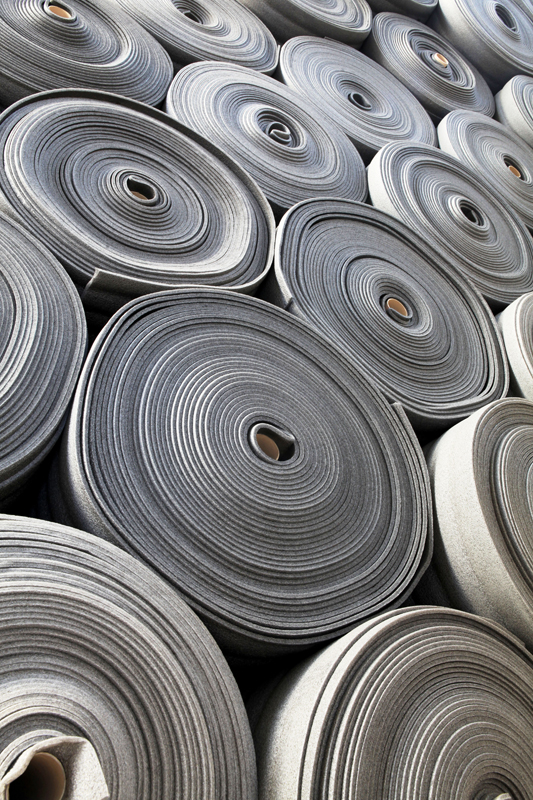
What Does Floormax Do Under the Screed?
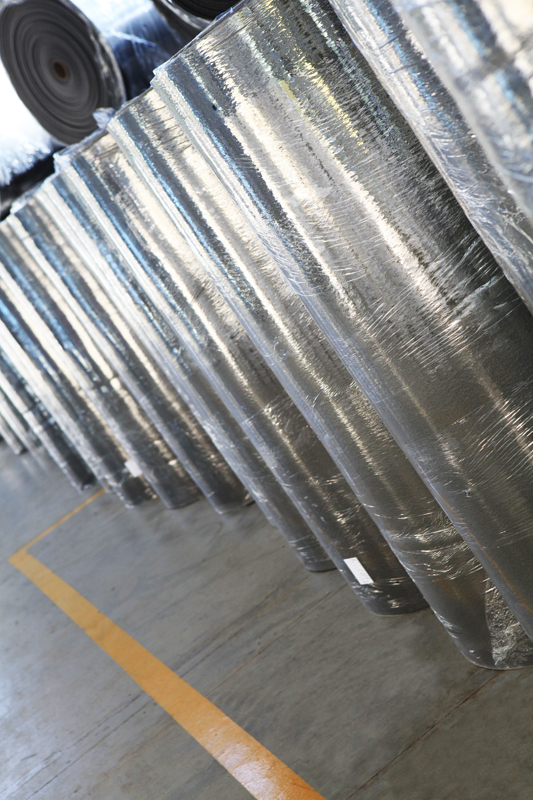
Floormax is applied below the screed or concrete layer to support three comfort goals at once: sound insulation, thermal insulation, and moisture resistance, and the beauty of this combination is that one carefully selected layer can influence several aspects of indoor quality without making the floor system unnecessarily complicated. The closed cell structure helps the material resist water and moisture, while the cross linked foam character gives it dimensional stability and resilience, so the floor can maintain comfort performance over time rather than behaving like a weak temporary padding that collapses under daily use. For anyone comparing materials, a pe foam manufacturer with experience in construction applications becomes valuable because floor systems need more than softness, they need controlled elasticity, continuity at joints, compatibility with screed layers, and long term resistance to deformation.
| Comfort Need | How Floormax Helps | Why It Matters at Home |
|---|---|---|
| Impact sound comfort | Creates a resilient layer beneath the screed to reduce vibration transfer | Helps limit footstep noise, furniture movement noise, and daily impact sounds between floors |
| Thermal comfort | Helps reduce heat transfer through concrete surfaces | Supports warmer floor feeling and may contribute to more efficient heating and cooling use |
| Moisture resistance | Closed cell foam structure resists moisture absorption | Helps preserve insulation function in floor build ups where humidity control matters |
| Application practicality | Rolls are laid before screed and connected with adhesive tape | Allows clean installation during the right construction phase |
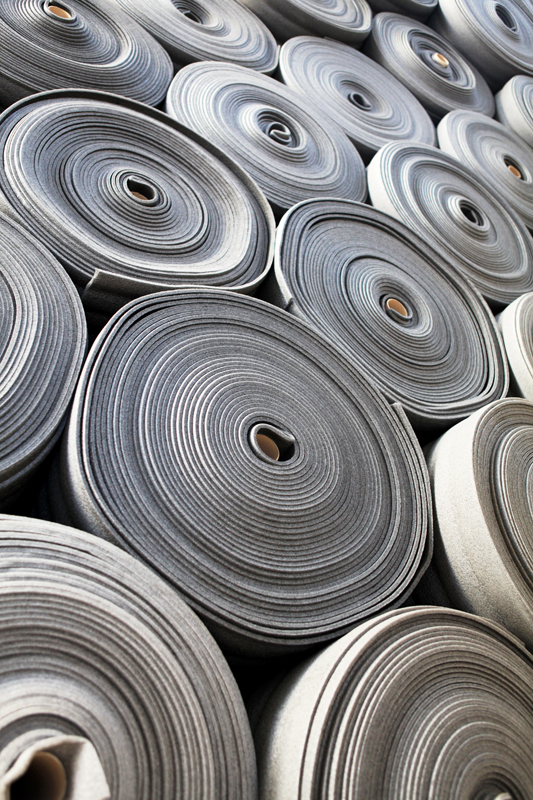
One of the most useful things about Floormax is that it does not try to solve comfort with a single magic promise, because a good floor system behaves more like an orchestra than a solo instrument 🎶. The structural slab, under screed mat, adhesive tape, turned up edge strips, screed quality, wall junction details, and final floor covering all need to work together, and if one of these details is ignored, the final result may lose performance. This is why under screed acoustic layers are often discussed as resilient layers in building acoustics, because they help separate the floating screed from the structural slab and reduce the path of vibration transfer; similar guidance on resilient mats explains that impact energy from the upper floor can be partly absorbed by the mat rather than fully transmitted to the unit below, which makes the installation detail just as important as the material itself.
How Is Floormax Applied?
The application is usually planned after electrical and water installation works on the floor are completed, because the under screed mat should be laid on a prepared surface before the concrete or screed layer is placed, and this sequence matters because the product must sit continuously under the screed without being damaged or interrupted by later rough works. The official Floormax guidance states that the rolls are laid before concrete application, the rolls are attached to each other with Floormax adhesive tapes, and part of the material is folded up to the baseboard and side wall to avoid sound bridges, which is a small detail with a big effect because sound bridges can behave like tiny open windows for vibration, allowing impact sound to bypass the insulation layer and travel through rigid connections. In practice, I always think of this edge turn up as a soft frame around a painting, because without the frame, the picture may still exist, but it loses the clean boundary that helps it feel complete.
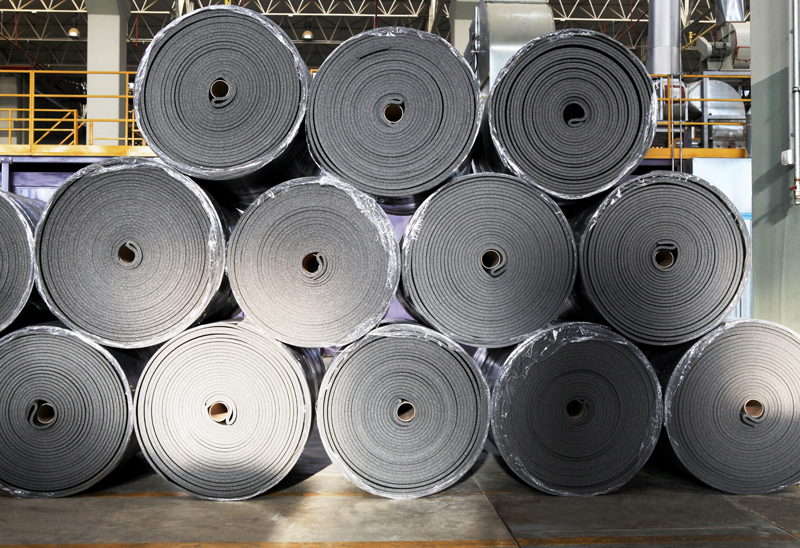
For example, imagine a new apartment project where families will live above and below each other, and the contractor chooses a standard screed build up without a proper resilient layer; the floors may look perfect on delivery day, but once residents move in, real life begins, children run, dining chairs move, washing machines vibrate, and small sounds become daily irritations. Now imagine the same project with a carefully applied Floormax layer, with taped joints and properly turned up edges at wall junctions, and suddenly the building feels more considerate, almost as if the floor itself learned to whisper instead of shout 😊. That is the emotional side of acoustic comfort, because nobody buys a home hoping to hear every small movement from another household, and nobody wants to feel guilty because ordinary living creates noise for neighbors.
The product logic also connects naturally with the wider foam family of physically cross linked polyethylene foam manufacturer solutions and chemically cross linked polyethylene foam manufacturer expertise, because cross linked polyethylene foam is valued for properties such as closed cell structure, resilience, dimensional stability, moisture resistance, and effective sound and heat insulation capacity. In a residential floor, these properties matter because the material is not placed there for decoration, it must continue doing its quiet job under load, under screed, and under years of daily life.
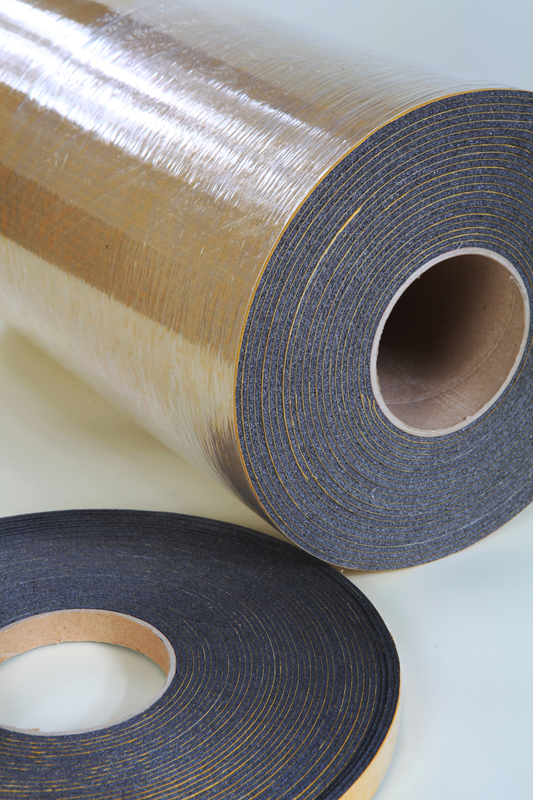
Key Application Points I Would Never Ignore
If I were reviewing a residential floor installation, I would pay close attention to surface cleanliness, roll continuity, taped seams, wall edge returns, protection before screed pouring, and coordination with plumbing or electrical teams, because even a good material can underperform when the installation turns into a rushed last minute task. The mat should be laid smoothly, the rolls should meet each other without open gaps, the adhesive tape should create continuity, and the turned up edge should separate the screed from the wall so that rigid contact does not create a sound bridge. This is where experience matters, and this is also why working with an experienced polyethylene foam manufacturer can make the specification process more reliable, because the manufacturer understands not only foam production but also the environment where that foam must perform.
Another point that deserves attention is thermal comfort, because concrete floors can feel cold and unforgiving when the floor build up is not planned correctly, especially in climates where heating and cooling costs are a constant concern. Floormax contributes to reducing heating and air conditioning expenses according to its product description, and although the exact savings depend on the building design, climate, floor area, heating system, and installation quality, the principle is easy to understand: if heat transfer through the floor is reduced, indoor comfort becomes easier to maintain. That is why I see under screed insulation as a warm blanket placed in the right layer of the building, invisible after installation but felt every morning when the room does not greet you with a cold, hard floor.
Floormax Compared with Ordinary Floor Layers
Ordinary thin floor coverings may improve the feeling underfoot, and some decorative underlays may reduce small surface sounds, but under screed insulation deals with the problem earlier and deeper in the building system, which is why it is especially relevant for new construction and major renovation projects. A decorative surface layer is like putting a soft rug on a noisy drum, helpful but limited, while an under screed resilient mat changes how the drum is connected to the structure itself. For project owners, architects, contractors, and homeowners who want a more serious comfort strategy, Durfoam offers a more structural approach through Floormax, and the result is a floor build up that supports quieter, warmer, and more comfortable living rather than relying only on final floor finishes.
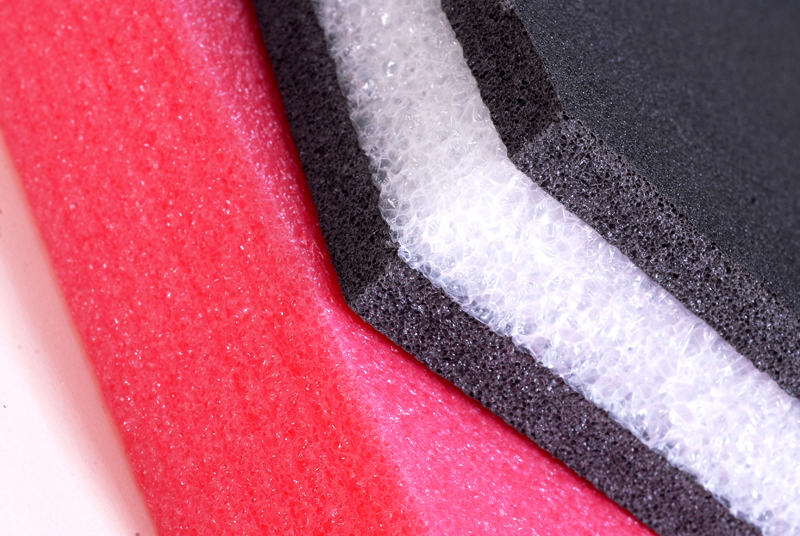
When I compare product choices, I also look at whether the supplier can support different foam technologies, because a pe foam manufacturer may offer economical non cross linked foam for certain uses, while a physically cross linked polyethylene foam manufacturer or a chemically cross linked polyethylene foam manufacturer can support applications where more demanding performance characteristics are needed. This wider material knowledge gives confidence because construction comfort is rarely one size fits all, and every project has its own floor height limits, acoustic expectations, thermal needs, budget boundaries, and application conditions.
Basic Floormax Installation Flow
A simple installation flow can be explained as follows: first, finish the required electrical and water installation works on the floor, then clean the surface so the rolls can be placed properly, then lay the Floormax rolls across the floor area, then connect the joints with compatible adhesive tape, then fold the material upward at wall edges and baseboard zones to help prevent sound bridges, then protect the layer during site traffic, and finally apply the screed or concrete layer according to project specifications. This may sound straightforward, but every step deserves patience, because acoustic comfort can be lost at small weak points, and small gaps can behave like shortcuts for sound energy. In that sense, installation is like brewing good coffee ☕; the ingredient matters, but the method decides whether the result feels rich, balanced, and satisfying.
For residential developers, Floormax also offers a communication advantage, because buyers increasingly understand that a comfortable home is not only about square meters and surface materials, it is also about quieter rooms, energy awareness, and healthier living routines. A home with better acoustic and thermal planning feels more premium in daily use, and this is where Durfoam becomes relevant not only as a material supplier but also as a comfort partner for people who want buildings to feel better after the keys are delivered. When a resident sleeps peacefully, studies without distraction, enjoys a quiet Sunday breakfast, or walks barefoot on a floor that does not feel sharply cold, the value of under screed insulation becomes deeply personal.
The practical advantage is also visible in maintenance expectations, because the Floormax description notes that it does not pollinate, does not collect dust over time, does not lose its shape, and does not require repair or maintenance, which is very important for a hidden floor layer. Once the screed is poured, nobody wants to open the floor again, so durability and stability are not optional details, they are part of the trust equation. This is why I prefer solutions that are designed for the construction layer from the beginning, rather than improvised materials selected only because they look soft or cheap on the day of purchase.
Conclusion: A Quieter and Warmer Home Starts Beneath the Surface
Floormax under screed mat is a smart solution for residential projects that want to improve sound, heat, and moisture comfort from inside the floor system, and its value becomes clearer when we remember that true comfort is often created by invisible details working together quietly. By placing a resilient, closed cell, cross linked layer under concrete and applying it with taped joints plus proper wall edge returns, the floor system can reduce impact sound transfer, support thermal comfort, and help create homes that feel calmer, warmer, and more thoughtful. As a polyethylene foam manufacturer, pe foam manufacturer, physically cross linked polyethylene foam manufacturer, and chemically cross linked polyethylene foam manufacturer, Durfoam supports this comfort focused approach with material expertise that speaks directly to modern construction needs. If a building is a living body, the floor is its quiet heartbeat, and when that heartbeat is softer, steadier, and better insulated, the whole home feels more peaceful 💙.
In the end, I believe Floormax is not just a technical layer placed under screed, it is a promise of better everyday living, because it helps transform concrete from a hard transmitter of noise and temperature into a more controlled, comfortable, and resident friendly surface. For architects, contractors, and homeowners who care about long term satisfaction, Durfoam provides a solution that reminds us of something very simple yet often forgotten: the best homes are not only seen, they are felt, heard less, warmed better, and enjoyed more every single day 😊.