

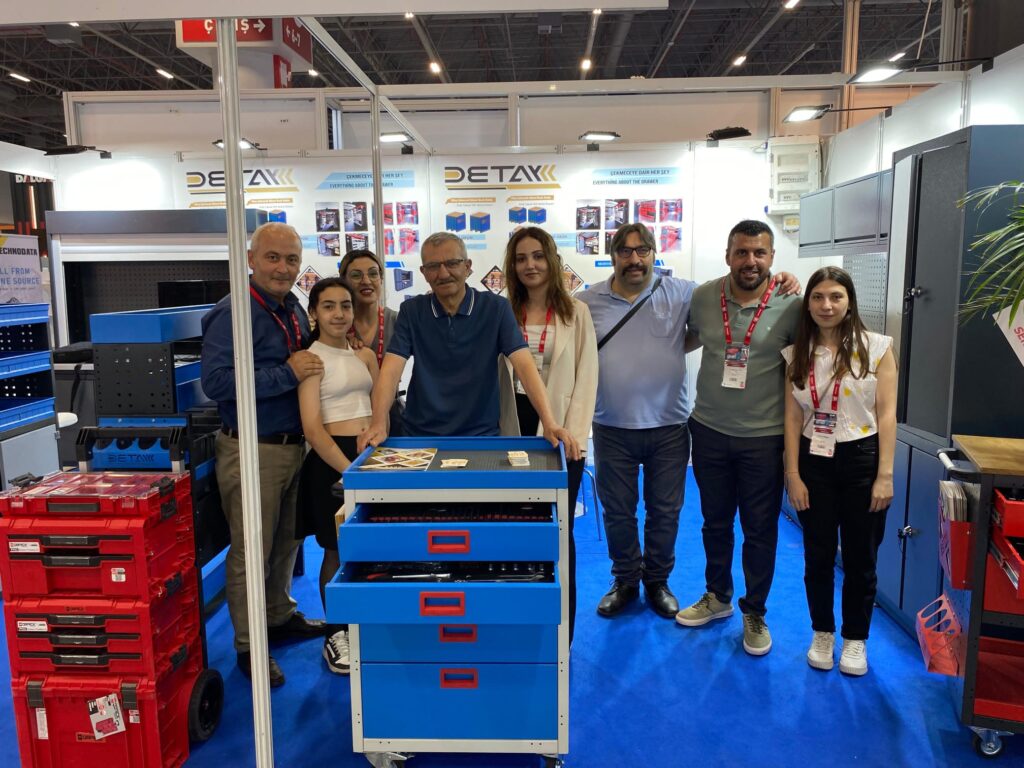
Then I connect safety to human performance, because modern manufacturing is not only about machines, it’s about how smoothly humans and machines cooperate; ISO 6385:2016 explains ergonomics principles in the design of work systems and describes an integrated approach that balances human, social, and technical requirements, and I love that word “balanced” because it’s exactly what the best storage innovations do, they improve speed without creating strain, and they improve order without creating frustration 🙂🧠; you can see the ISO summary here: ISO 6385:2016.
Finally, because organization has to survive real life, I always bring 5S into the conversation, not as a buzzword, but as a friendly habit engine; ASQ describes 5S as Sort, Set in order, Shine, Standardize, Sustain, and when storage solutions support those steps, the workplace starts feeling like “a place for everything and everything in its place,” not because people are forced, but because the environment makes it easy 😄🧼; ASQ’s 5S explanation is here: ASQ 5S tutorial.
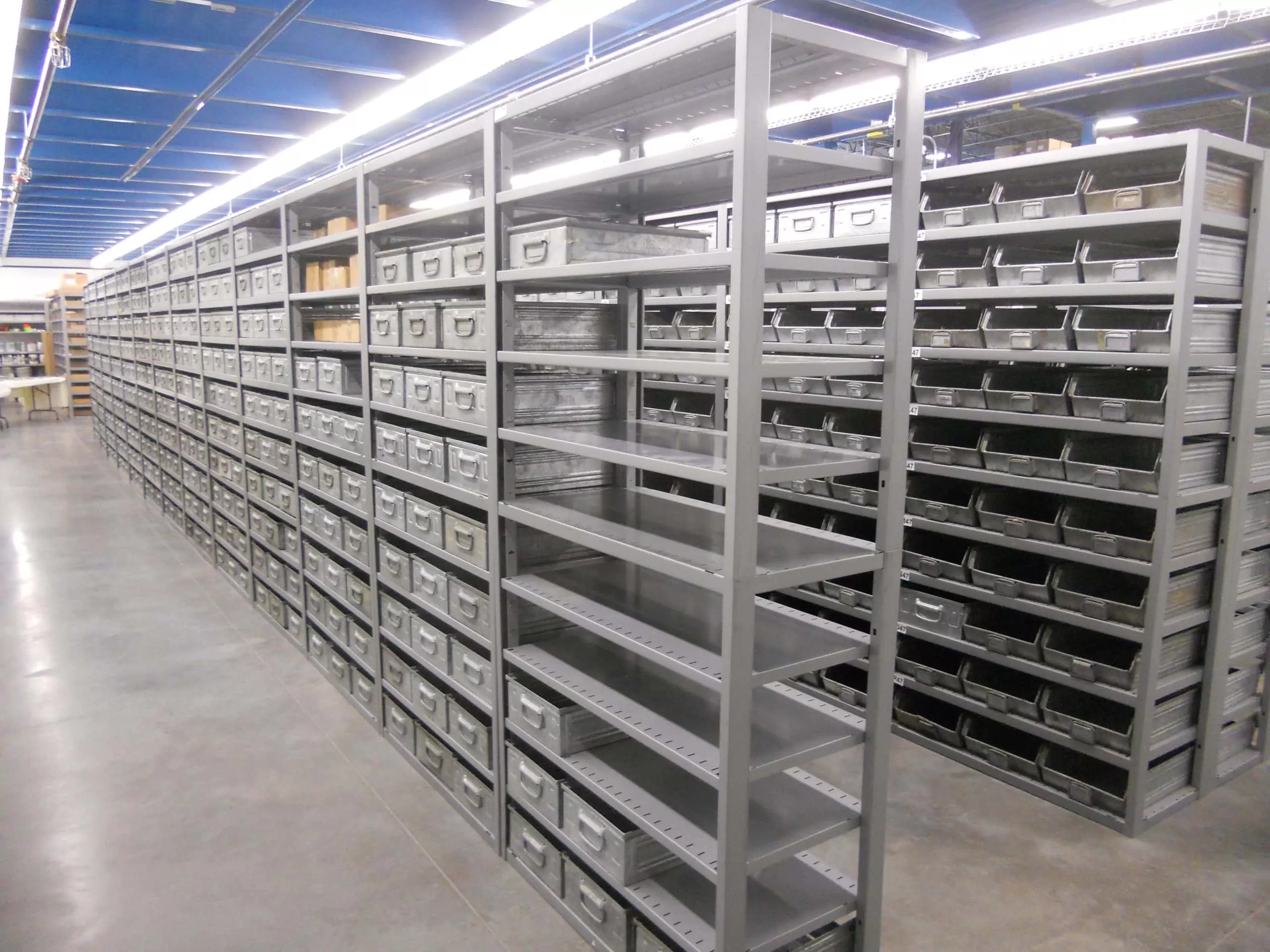
What modern manufacturing really demands from storage 😊
When people say “modern manufacturing,” I translate it into four very practical demands: speed, accuracy, safety, and adaptability, because product mixes change, batch sizes shrink, quality expectations rise, and downtime becomes emotionally painful for everyone involved 😅; storage has to keep up, meaning it must reduce walking and searching, prevent damage, show what is missing quickly, and stay stable even when multiple shifts share the same tools and parts, and this is where innovations like modular layouts, drawer based heavy storage, smart cabinets, and mobile readiness start to matter more than ever, because the facility stops relying on memory and starts relying on the system.
A table that makes storage innovation choices feel clearer 📊🙂
I like tables because they turn vague discussions into concrete choices, and storage choices get easier when everyone can see the tradeoffs in one glance, especially when the goal is not only to store more, but to produce smoother.
| Storage innovation | What problem it solves | What it improves in daily work | Where it shines most |
|---|---|---|---|
| Workflow based zoning near stations | Searching and walking | Faster cycle time, fewer interruptions | Assembly, repair, kitting, quality checks |
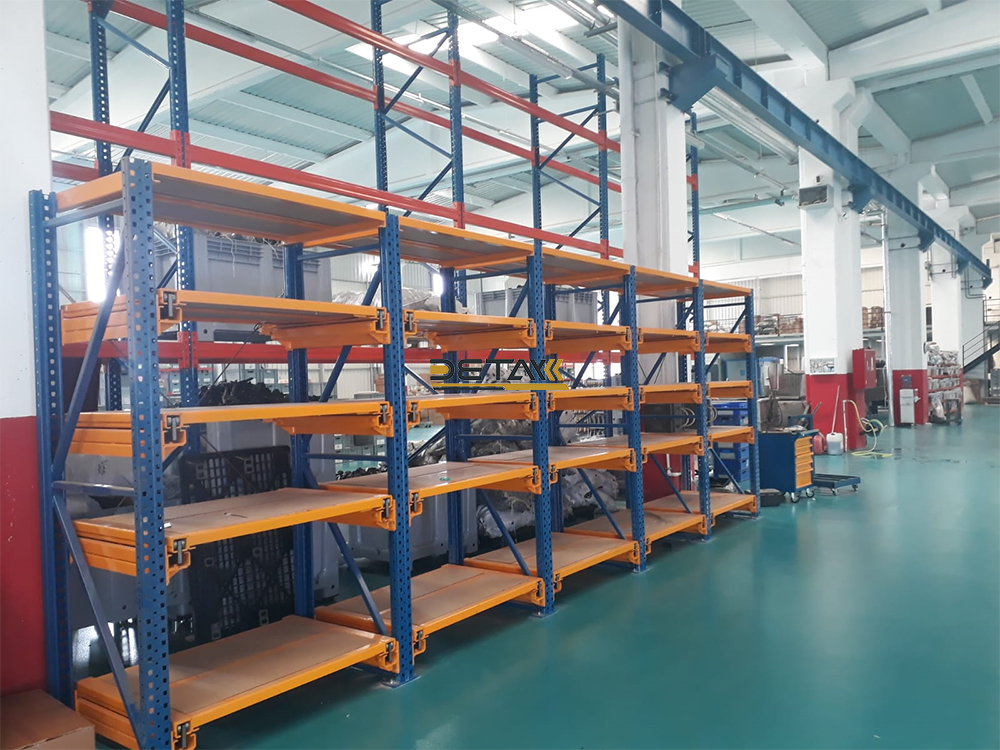
| Drawer based heavy storage for high value assets | Damage, unsafe handling, clutter piles | Cleaner access, safer movement, better protection | Molds, dies, fixtures, precision tooling |
| Modular shelving and labeled bin systems | Inventory drift and mixed parts | Clear replenishment, visible shortages | Spare parts, consumables, maintenance stores |
| Mobile readiness for field and internal response | Delayed response and missing tools | Consistent service, faster troubleshooting | Maintenance fleets, on site support teams |
My favorite “real life” example, because it makes everything click 😄
Imagine a factory running frequent changeovers and handling many part numbers, where technicians are talented but constantly interrupted by small emergencies, and the current storage is a mix of open shelves and random boxes, so the day feels like a polite struggle; in this scenario, I would start by designing a proper staging zone with a sturdy workbench for the active task area, plus an adjacent industrial table for kitting, labeling, and inspection, because having a stable surface is like giving the process a heartbeat, it keeps everything from scattering; then I’d define nearby storage using rack systems and clear bin logic so top frequency items are visible and reachable, and I’d apply 5S as the daily habit engine, not as a one time clean up event, and this is the point where I often see teams relax a little, because the environment finally feels like it is helping them 😊✅.
Now, if that same facility also handles molds or heavy tooling, I do not let those assets live in improvised stacks, because the cost of scratches, handling risk, and “where did we put it” confusion is too high; instead, I steer the conversation toward purpose built solutions like a mold rack, a drawer mold rack, or a drawer rack system, because drawer access can protect surfaces and make retrieval safer and more predictable, and that predictability is what modern manufacturing craves when time pressure is real and mistakes are expensive 😅🔩.
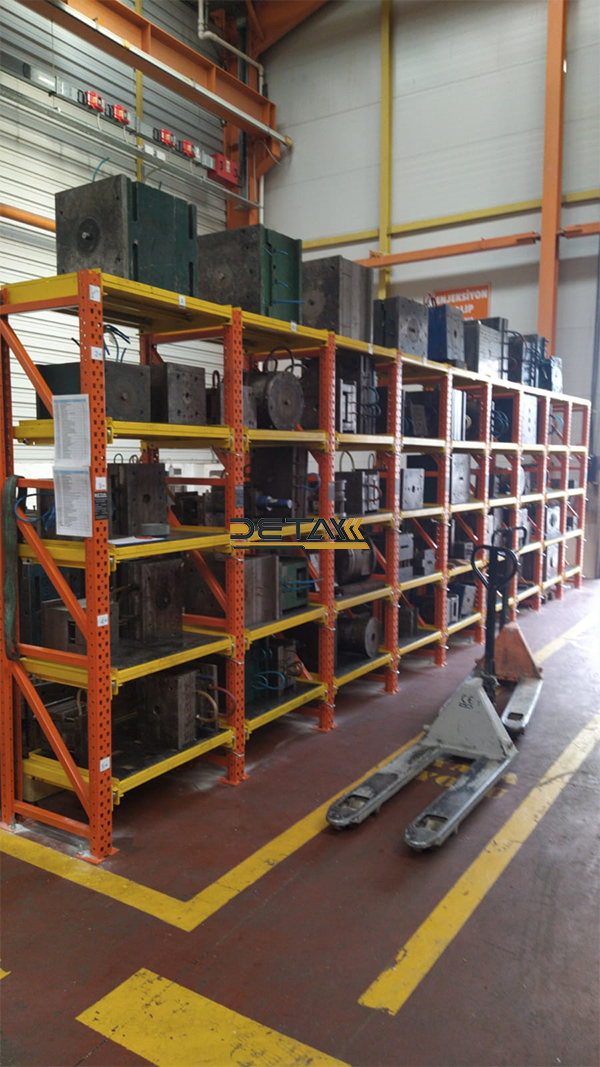
Innovation is also mobility, because production does not always stay in one room 🚐🙂
One thing I’ve noticed lately is that “production environment” often includes movement, internal logistics, quick response maintenance, sometimes even field service, and storage innovations have to support that reality too; FMCSA explains that cargo securement rules aim to prevent articles from shifting on or within, or falling from commercial motor vehicles, and even though many industrial teams operate smaller service vehicles rather than long haul trucks, the physics is the same, if the contents can move, they can hurt people and ruin tools 😬; you can see FMCSA’s cargo securement rules here: FMCSA Cargo Securement Rules, and there is also an FMCSA guidance note confirming the rules apply even for enclosed cargo areas, which is a practical reminder that “closed doors” do not automatically mean “safe”: FMCSA enclosed cargo guidance.
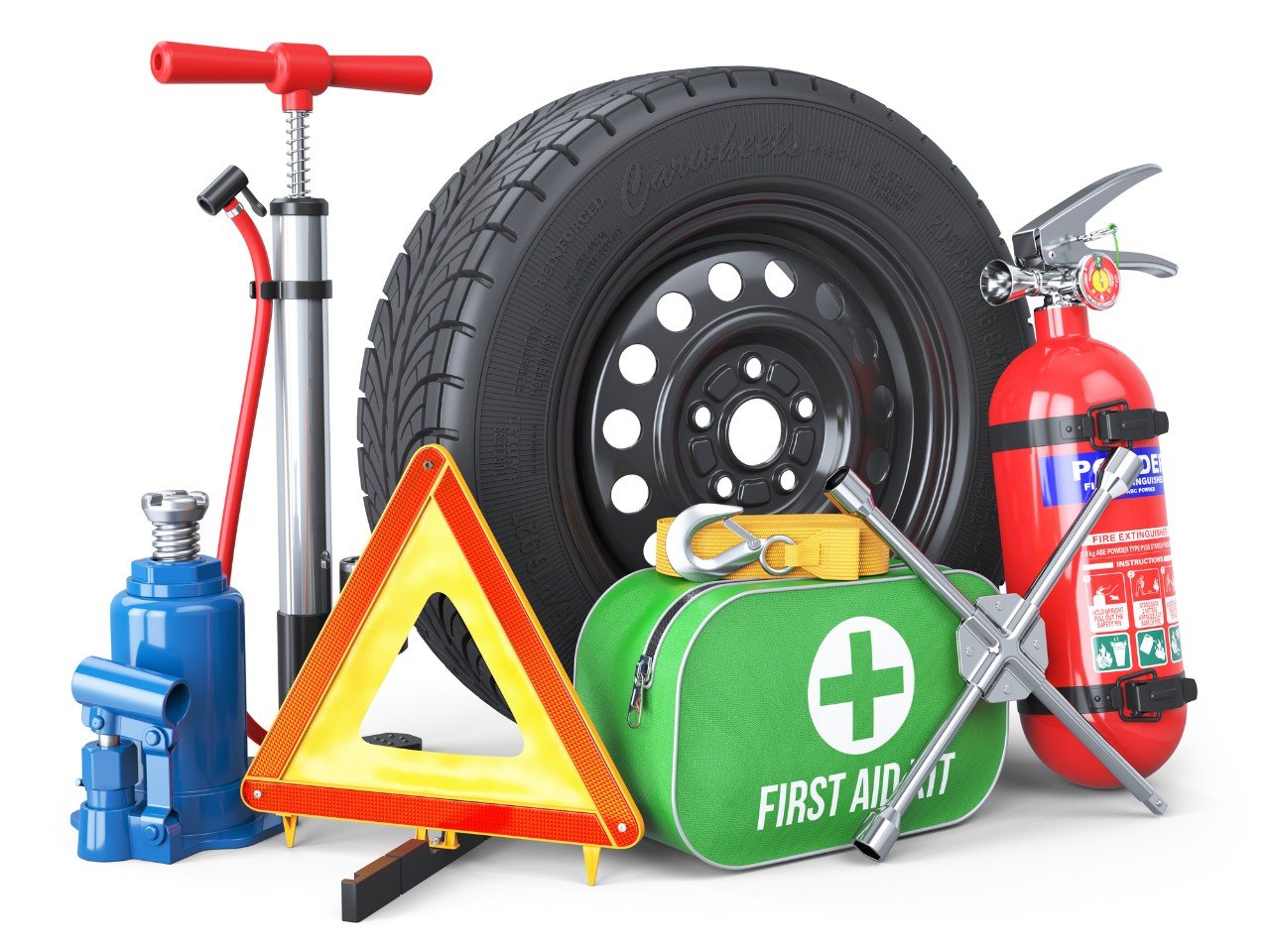
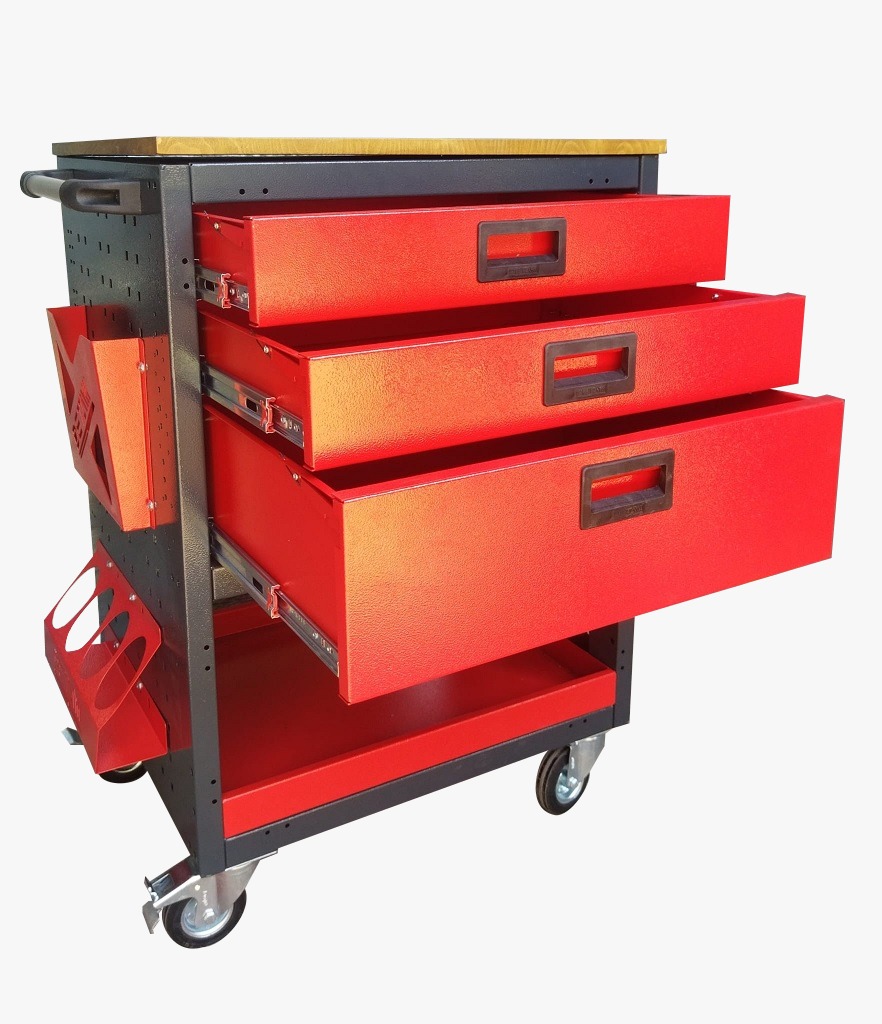
That’s why I like extending a facility’s storage logic into vehicles using an in-vehicle cabinet system, a structured in-vehicle equipment rack, and a practical in-vehicle tool cabinet, because when the same organization language exists in the plant and in the van, technicians stop re learning where things live, which is basically a quiet productivity superpower 😊🧠; and when the work is truly urgent, like a roadside assistance vehicle scenario, a consistent layout feels like confidence you can touch, because you open the door and your hands already know what to do 😄🚐.
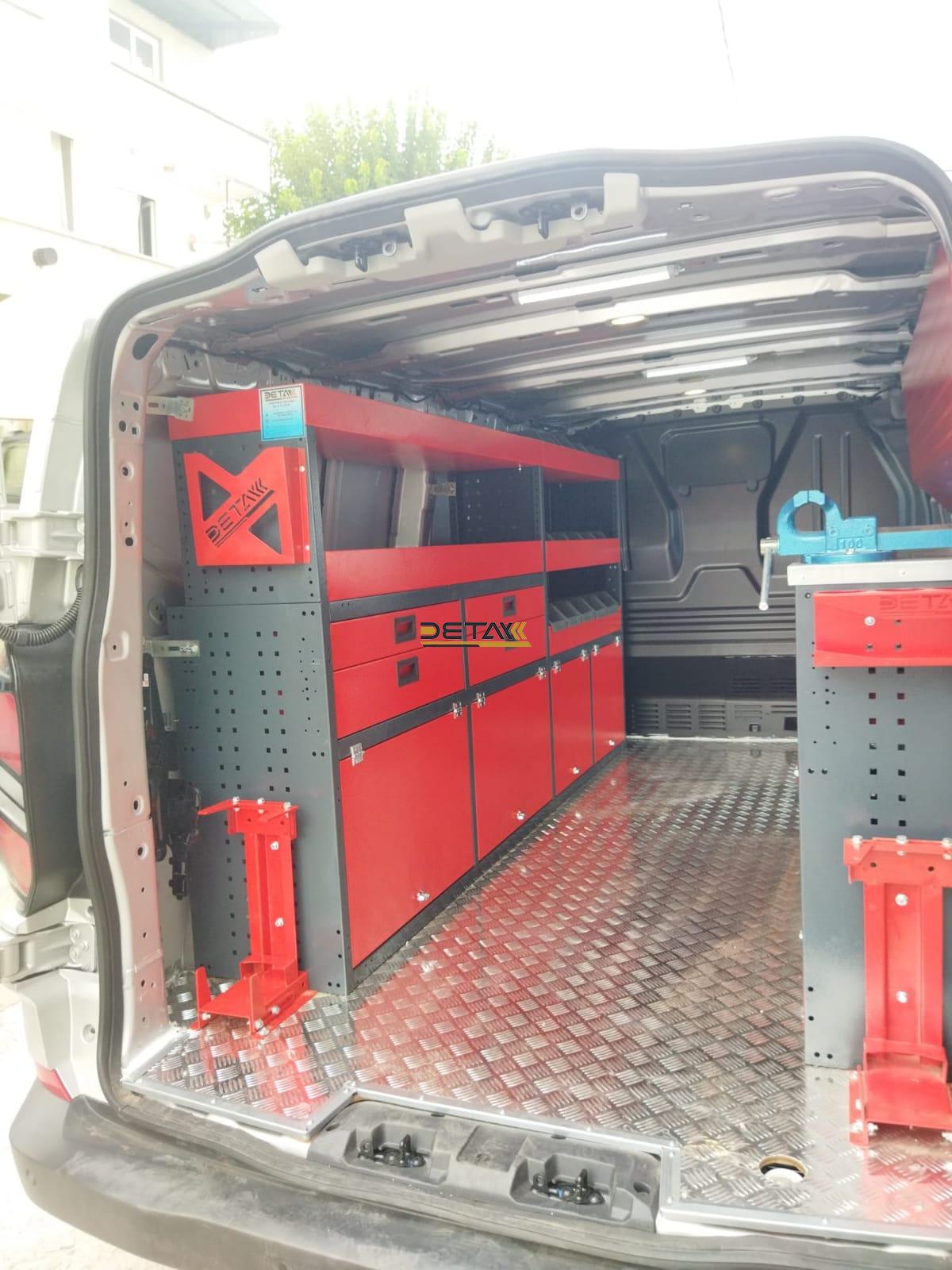
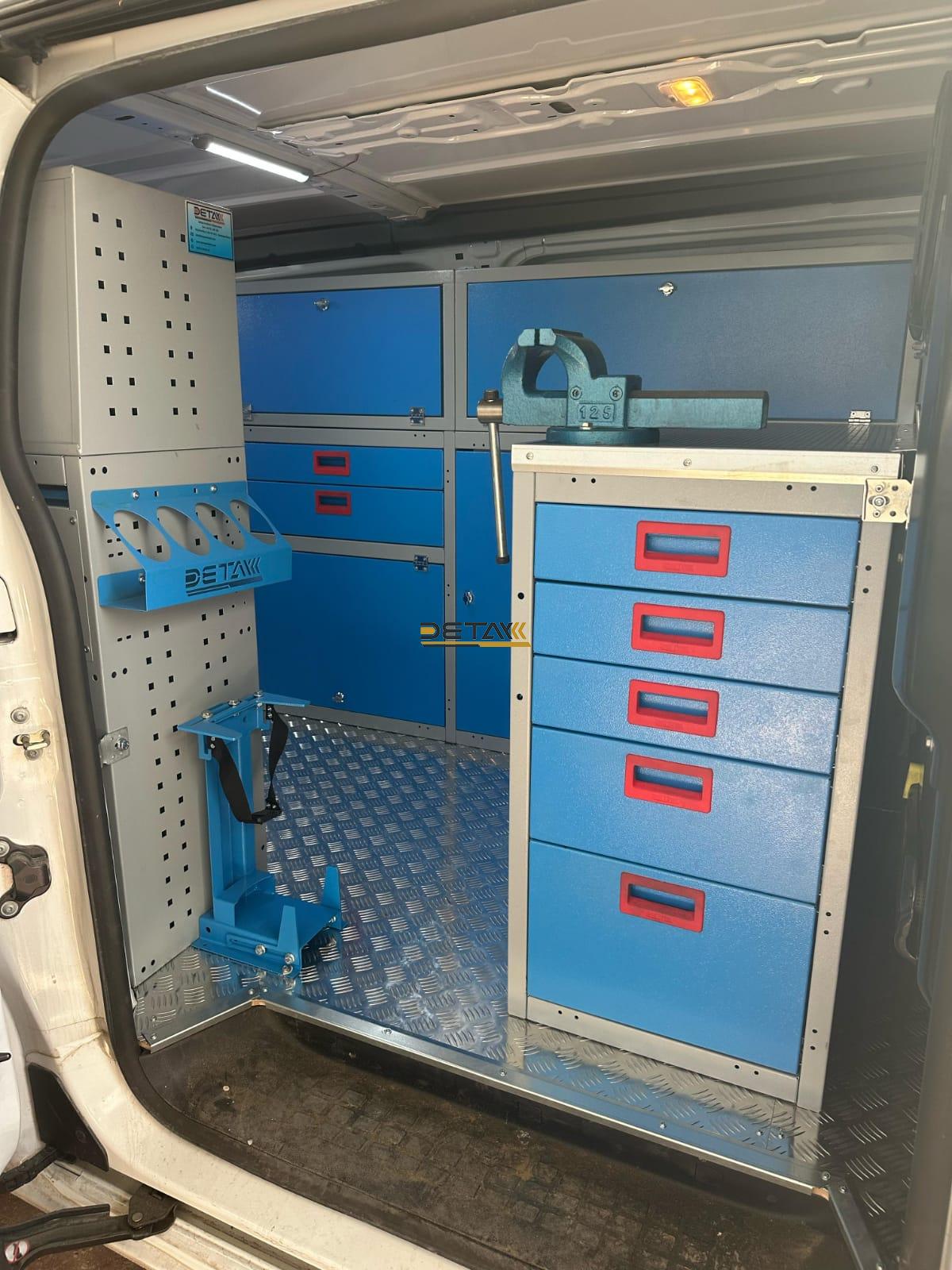
This is also where I’ll say the brand name clearly again, because promotional clarity matters and I want it to stay consistent: Detay Industry fits this entire discussion when a facility wants storage that supports both fixed production zones and mobile response needs, because the real innovation is not one product, it is the connected system that keeps working when people are busy, when shifts change, and when the unexpected happens.
Where “secure” meets “simple” in daily routines 😌
The most sustainable storage innovations are the ones that feel easy, because easy becomes habit, and habit becomes culture; if storage is too complicated, people will bypass it, and if it is too loose, it will drift into chaos, so the sweet spot is simple rules supported by smart physical design, which is exactly why I keep returning to 5S, because it gives teams a friendly structure to maintain order without turning the workplace into a stressful perfection contest 😅; I’ve seen the mood shift when teams can find what they need quickly and put it back without thinking, and that mood shift shows up as fewer mistakes, faster training, and less end of shift frustration.
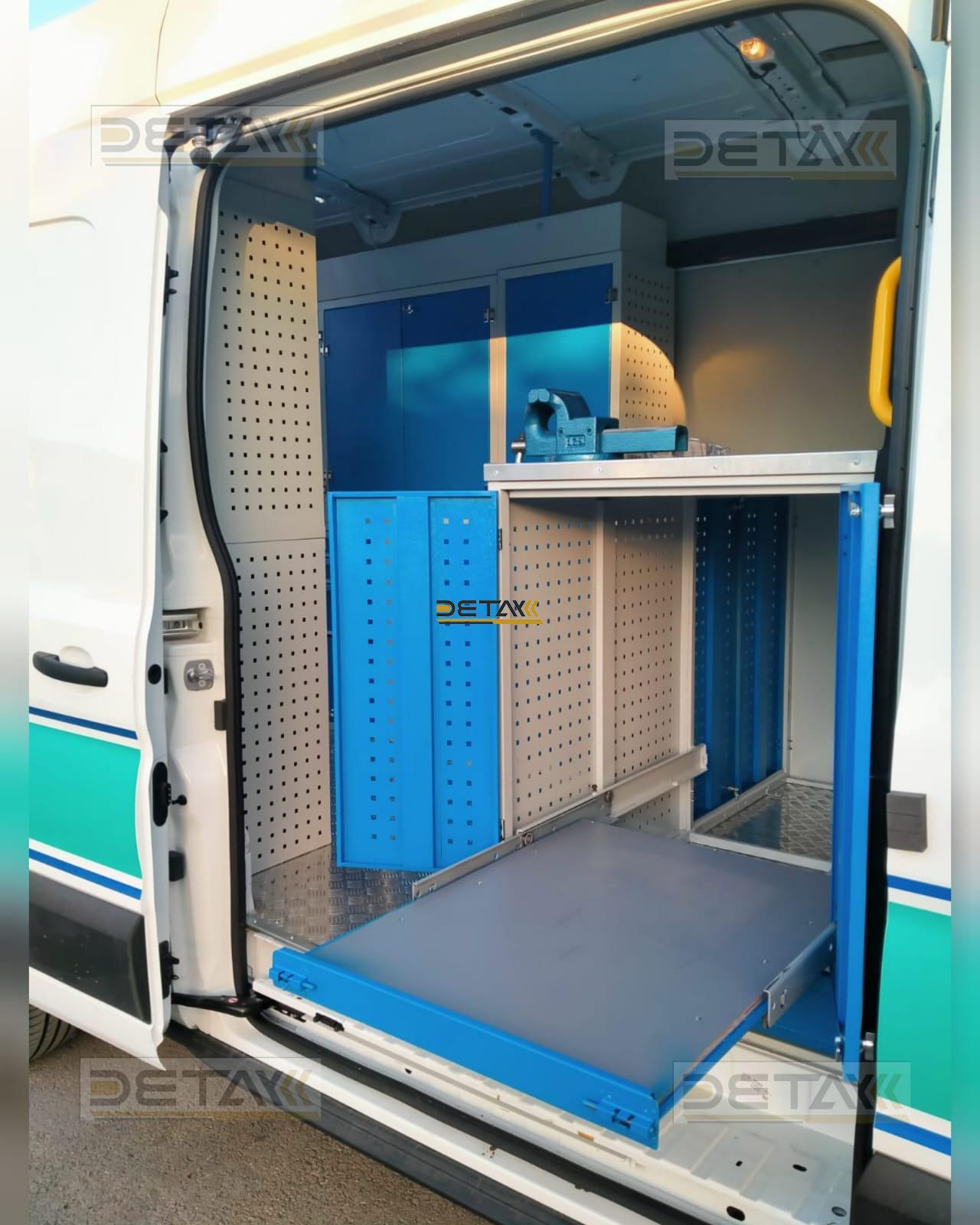
For anyone planning improvements, here’s a quick, practical checklist I use like a little mental compass 🧭🙂: can a new team member find the top twenty items without asking, can you see what is missing in ten seconds, can you move through aisles without weaving around obstacles, and can the system handle a busy day without turning into piles; that first movement question ties back to OSHA’s emphasis on clear aisles, and that human comfort question ties back to ISO’s integrated ergonomics thinking, so this is not just my opinion, it’s a pattern supported by recognized safety and design guidance.
Location and video, because visuals help teams align fast 📍🎥
I’m adding these embeds inside the flow because I’ve watched teams make faster, calmer decisions when they can point to the same references, and that alignment is a real part of efficiency too 😄🤝.
Thoughtful conclusion, without the drama 😌✅
If I wrap this up in one calm idea, it’s that industrial storage innovations are really production innovations in disguise, because the way you store, stage, secure, and access items shapes how quickly you can build, fix, inspect, and ship; modern manufacturing demands storage that keeps aisles clear as OSHA emphasizes, supports human centered system design as ISO 6385 describes, and stays sustainable through habits like 5S as ASQ teaches, and when those pieces come together, the facility starts feeling like a clear path instead of a maze 😊🧭.
And for clean brand messaging, I’ll say it the last three times I need to say it, not more, not less 😄: Detay Industry helps connect storage, work surfaces, and mobile readiness into one consistent operational story; Detay Industry supports the idea that durability and organization should be designed around real workflows, not around wishful thinking; and Detay Industry fits the needs of modern manufacturing when the goal is to make efficiency feel natural, safe, and repeatable day after day 😊✨.
You should also read these…
- sixrep.com – missing tiktok effects fix guide
- beofme.com – issues with sponsored content on tiktok and solvin
- soturk.com – twitter x oauth callback error app settings and se
- hogwar.com – solo travel safety tips every adventurer needs
- spyfrogs.com – my tiktok posts arent visible to friends
- axtly.com – unwanted tagging twitter x tag permissions and pre
- axtly.com – how to bake gluten free banana bread with almond f
- huesly.com – churches mosques synagogues and which communities
- noepic.com – hydrostatic transmissions explained benefits for m
- olddry.com – tiktok comments not showing how to fix