

Automotive supplier facilities operate in an environment where timing, repeatability, quality, ergonomics, traceability, and model flexibility must support one another throughout every shift, which means the position of a tool cart or workbench can influence far more than the appearance of the production floor. 🚗🏭 A technician who walks several metres for a torque tool, an operator who reaches behind a container for a component, or a quality inspector who repeatedly carries parts to a distant measuring table may lose only a few seconds during one cycle, yet those seconds multiply across hundreds or thousands of components and gradually become a serious source of lost capacity. I have seen assembly areas where highly skilled employees worked around poorly positioned furniture for years because the arrangement felt familiar, even though the same employees could immediately describe every unnecessary reach, turn, search, and interruption when someone finally asked them. A carefully planned tool cart and workbench layout brings tools, components, instructions, inspection equipment, and temporary work surfaces closer to the point where value is created, while preserving safe movement and a clear production flow. This is the practical foundation on which Detay Industry can help automotive suppliers develop organized workstations that support people, products, and production targets together.
Begin with the Actual Production Sequence
The most reliable layout begins with observation rather than a catalogue, because two automotive suppliers producing similar components may use different operators, tools, fixtures, quality checks, material containers, and production sequences. I normally follow a complete cycle from the moment the operator receives the component until the finished part leaves the station, recording every tool selection, material movement, body turn, reach, inspection step, documentation activity, and interruption. The National Institute for Occupational Safety and Health explains that an ergonomic intervention should begin with an understanding of work processes, job tasks, equipment, and workplace layouts, which is especially relevant in automotive supplier facilities where a small change in container position or tool orientation can affect thousands of repeated movements.
Standardized work also provides an essential reference point, because the Lean Enterprise Institute describes takt time, work sequence, and the required standard quantity of in process inventory as core elements of a stable operation. A tool cart should support this sequence rather than encourage every operator to develop a different personal arrangement, while a fixed workbench should provide the surface, fixtures, lighting, power access, and documentation needed for the defined task without becoming a permanent collection point for unrelated materials.
Decide Which Equipment Should Remain Fixed and Which Should Move
A fixed workbench provides stability for repeated assembly, inspection, repair, testing, and preparation tasks, while a mobile tool cart brings selected tools and materials to different stations, model change areas, quality containment points, or maintenance activities. The decision should follow process stability and movement frequency. When an operator completes the same operation at one permanent station throughout the shift, a fixed bench with integrated drawers, tool panels, lighting, and power may offer the clearest arrangement, while a mobile cart becomes more useful when tooling changes between product families or when technical support must travel across several cells.
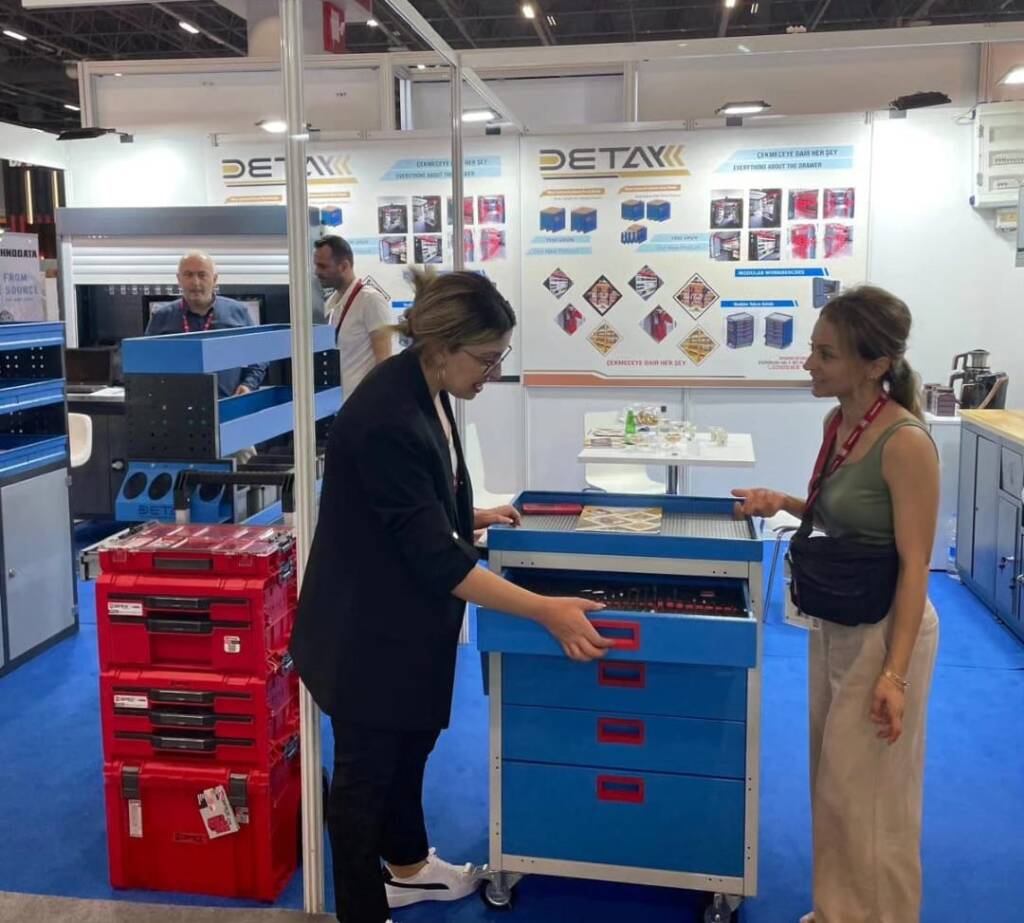
Many automotive suppliers gain the strongest result from a hybrid layout in which a stable industrial table supports the main operation and one or more modular carts supply model specific fixtures, gauges, fasteners, and tools. The manufacturer’s bench type modular tool cart solutions combine drawers or cabinets with a usable upper surface, allowing the cart to function as both storage and a compact preparation station. This combination can reduce repeated journeys to central cabinets, but only when every cart has a defined role, home position, approved load, and replenishment routine.
| Layout Option | Best Application | Main Workflow Advantage | Important Planning Control |
|---|---|---|---|
| Fixed workbench | Stable assembly, inspection, testing, repair, and repeated preparation work | Provides a dependable surface with permanent utilities and fixtures | Match height, reach distance, lighting, and storage to the defined operation |
| Mobile tool cart | Maintenance support, mixed model production, changeovers, and mobile quality checks | Moves tools and equipment directly to the point of use | Control loaded weight, caster performance, brakes, drawer locks, and travel routes |
| Hybrid bench and cart layout | Automotive cells producing several variants with shared core operations | Combines workstation stability with flexible model specific storage | Define the interface between fixed tools, mobile modules, and replenishment |
| Shared specialist cart | Torque verification, electrical testing, measurement, or controlled repair tasks | Reduces duplication of expensive equipment across every station | Use booking, location, calibration, and return controls |
Position Tools According to Frequency and Work Sequence
The most frequently used tool should not automatically occupy the largest or most visible drawer; it should occupy the location that allows the operator to use and return it with the least unnecessary movement. Tools used during the opening stage of assembly can sit near the incoming component area, fastening equipment can follow the product’s assembly direction, measuring devices can remain in protected compartments close to the inspection point, and final marking or documentation tools can sit near the outgoing side of the workstation. The arrangement should flow like a clear road through the station rather than forcing the operator to cross the same path repeatedly. 🛣️
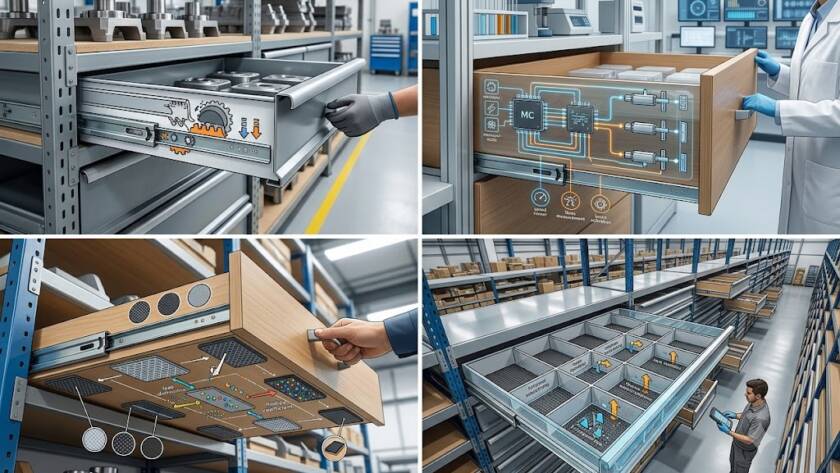
Shallow drawers usually work well for bits, sockets, hand tools, connectors, gauges, markers, and small consumables, while deeper compartments can hold power tools, fixtures, protective equipment, and larger devices when their total weight remains within the declared capacity. The visible address principle used in a drawer rack system can also improve automotive workstation organization, because each tool, fixture, and measuring device should have one recognizable location that exposes missing or misplaced items immediately. A modular project from Detay Industry can combine different drawer depths, cabinets, perforated panels, shelves, holders, and work surfaces according to the real assembly sequence rather than filling the workstation with identical compartments.
Protect Ergonomics While Improving Cycle Time
A faster layout should reduce effort rather than pressure employees to move more aggressively, because productivity gains that depend on repeated awkward reaching, bending, twisting, forceful pushing, or elevated shoulder positions will rarely remain sustainable. OSHA recommends designing material handling tasks to minimize weight, range of motion, and frequency, while handles and mobile equipment should allow employees to maintain an upright posture. Its technical guidance also notes that inappropriate workstation configurations can force employees to bend over, which means bench height, work surface depth, drawer position, and component presentation must be considered together.
Frequently used tools should normally remain within the operator’s comfortable reach zone, heavy fixtures and batteries should sit in lower compartments, and containers should present components without forcing employees to reach deeply over high edges. Power tools may benefit from balanced holders or suspended support systems when the task involves frequent repetition, while work surfaces may need different heights for fine inspection, forceful assembly, and seated electrical work. The layout should also accommodate operator height differences, glove use, dominant hand, visual inspection needs, and the physical dimensions of the component being assembled.
Employee participation makes this process far more reliable. OSHA describes an automotive manufacturing example in which workers, line supervisors, maintenance personnel, safety specialists, and managers participated in workstation and tool redesign, allowing the company to use employees’ practical knowledge while improving ergonomics and production efficiency. When Detay Industry develops a workstation with the employees who will use it, a temporary mockup or pilot station can expose uncomfortable reaches, blocked leg space, unsuitable drawer heights, or tool conflicts before the final equipment enters full production.
Integrate Point of Use Materials Without Creating Excess Inventory
Tool carts and workbenches can shorten walking distance when they hold the fasteners, clips, connectors, labels, protective components, and small parts required for the current process, but excessive point of use stock can create congestion, hide shortages, increase mixed part risk, and make model changes more difficult. NIST Manufacturing Extension Partnership examples identify point of use inventory, Kanban replenishment, 5S, line balancing, inventory control limits, and setup reduction as complementary methods that can support more efficient manufacturing flow.
The best arrangement defines a standard quantity for each component, uses containers that present the part clearly, and provides a visible signal before the stock reaches zero. Parts that look similar should remain physically separated and labelled with part numbers, photographs, colour identifiers, or scanning information according to the facility’s quality system. Bulk materials can remain in wider rack systems, while the workstation holds only the controlled quantity required between replenishment visits. This layered system keeps the operator supplied without turning the workbench into a warehouse.
Design a Clear Quality and Traceability Zone
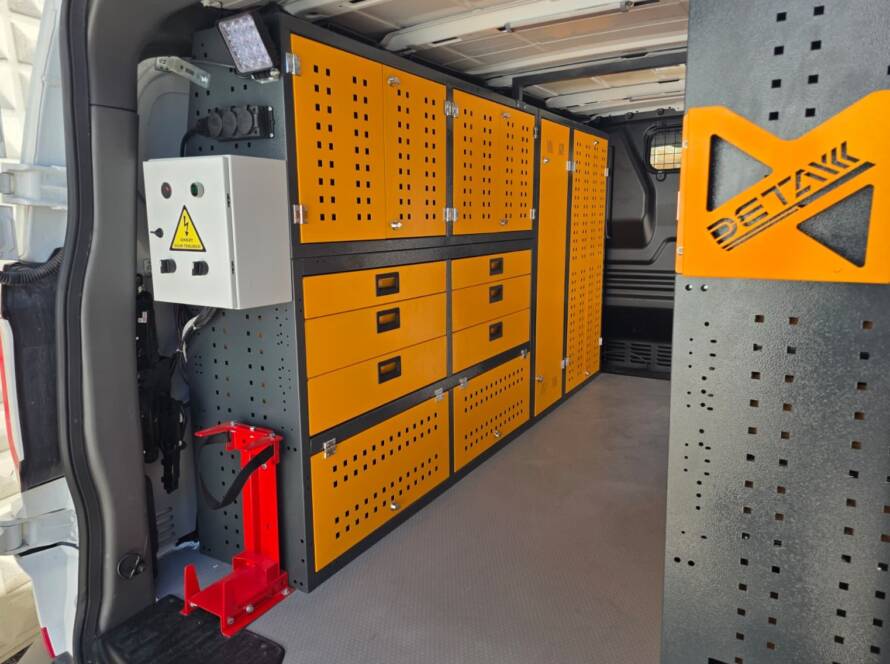
Automotive suppliers often perform dimensional checks, torque verification, visual inspection, barcode scanning, labelling, and production recording directly beside the assembly process, so quality equipment should receive a protected and repeatable position instead of sharing space with loose tools and packaging. Calibrated gauges, torque analysers, test leads, masters, templates, and measurement devices may require padded drawers, locks, status labels, and environmental protection. The workbench should also separate incoming parts, active work, accepted parts, rejected parts, and items awaiting a decision, because unclear physical status can create a greater risk than a slow cycle.
The same separation logic used in an in-vehicle material cabinet can inspire point of use storage for labels, terminals, clips, and quality documentation, although a stationary assembly station requires its own dimensions and ergonomic design. Sensitive equipment can occupy locked compartments, while visual status boards or document holders display the current standard without covering the work surface. The operator should recognize the condition of each product and tool at a glance, especially when a line interruption, shift change, or quality containment activity disrupts the normal sequence.
Plan Mobility, Brakes, and Safe Cart Routes
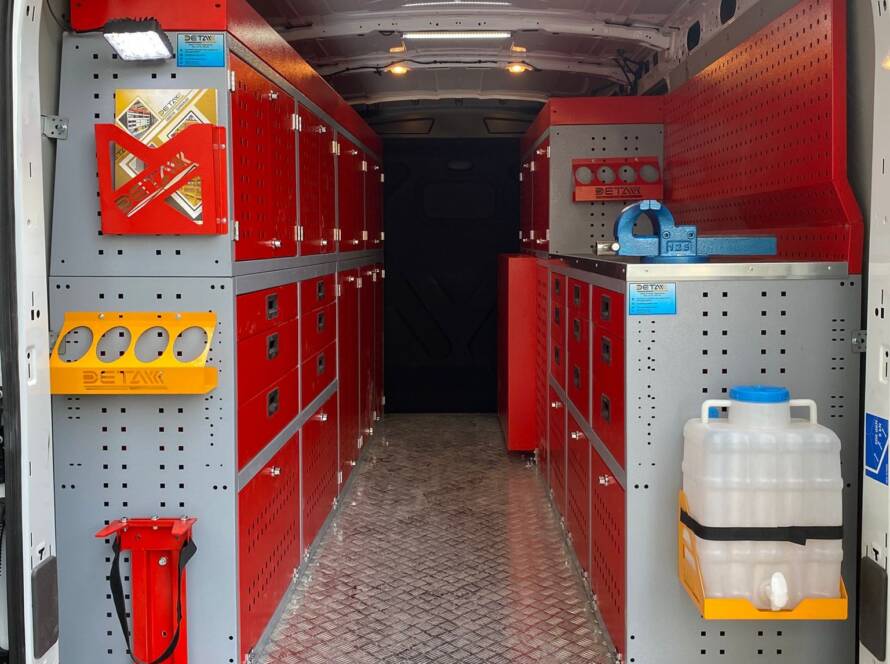
A cart that moves easily when empty may become difficult to control after technicians fill its drawers with fixtures, tools, fasteners, and measuring equipment, so planners should calculate the total operating weight rather than relying on the product’s empty mass. Caster diameter, wheel material, bearings, handle height, turning radius, floor joints, slopes, contamination, and brake design influence the force needed to start, steer, and stop the cart. OSHA guidance recommends equipment that suits the contemplated load and notes that using a suitable cart can reduce manual carrying, while larger wheel diameters may improve movement across some industrial surfaces.
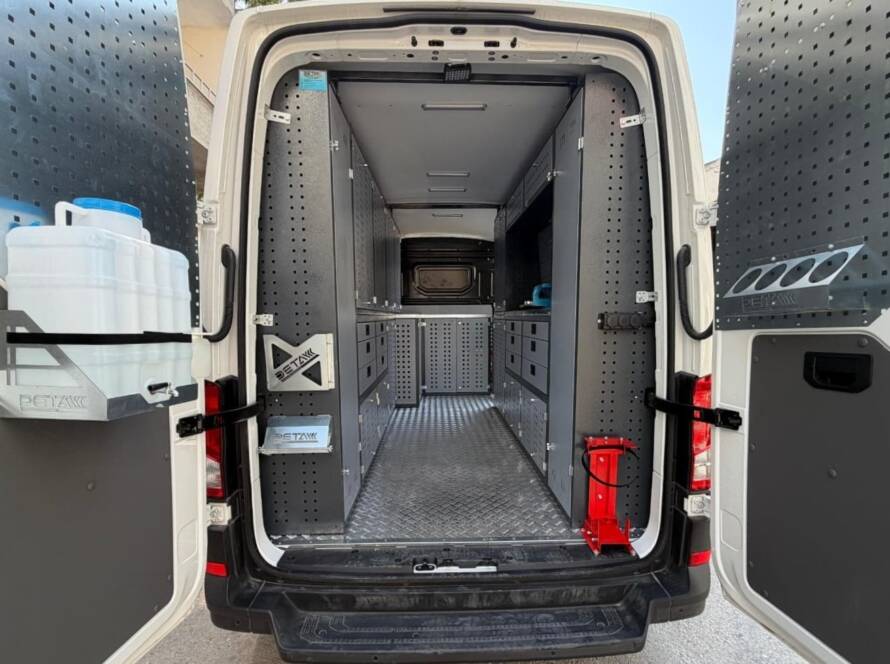
Dense equipment should remain low and distributed to preserve stability, drawers should remain locked during movement, and loose items should not stay on the upper surface while the cart travels. The secure movement philosophy used in an in-vehicle equipment rack offers a useful comparison, because tools should remain controlled whenever their storage system moves. A mobile assembly cart does not experience road forces, yet floor joints, sudden stops, ramps, and tight turns can still make unsecured tools slide or drawers open unexpectedly.
Every cart should have a clearly marked home position and approved route that does not block pedestrian aisles, forklift lanes, emergency equipment, electrical panels, machine guarding, or component delivery. Employees should apply the brakes before using the cart’s top as a working surface, and maintenance personnel should inspect casters, brakes, handles, drawer locks, and structural connections at planned intervals.
Support Model Changes with Modular Cart Configurations
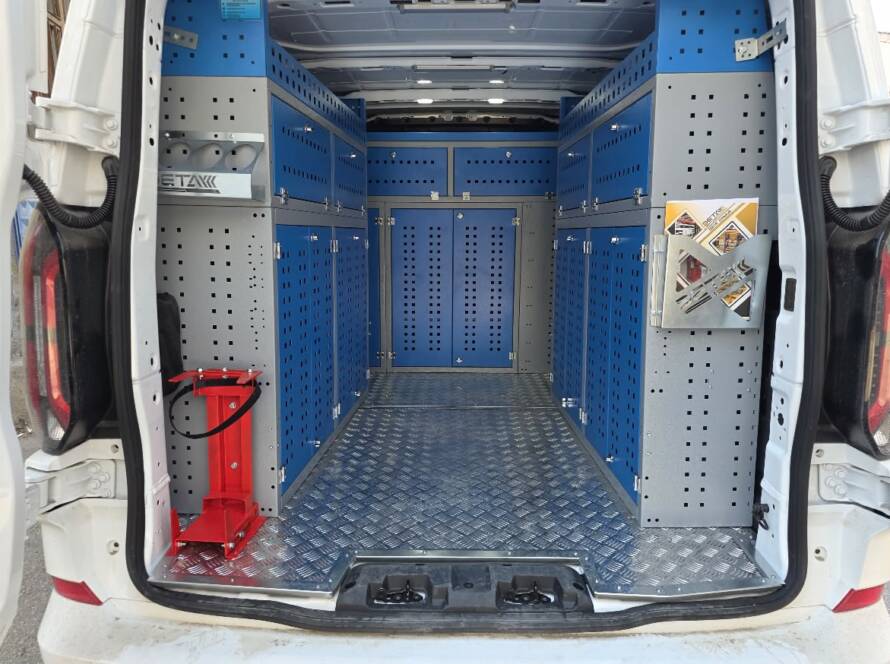
Automotive suppliers frequently manufacture several part numbers or variants on shared equipment, so a fixed workstation that holds every possible tool and fixture can become overcrowded. One practical solution is to keep the common tools at the main bench while placing model specific gauges, fixtures, connectors, documents, and consumables on exchangeable carts or removable modules. The team can prepare the next cart before the model change begins, allowing external setup activities to occur while the current product remains in production.
The organizational principles used in an in-vehicle cabinet system provide a helpful comparison because a defined technical role receives a repeatable set of tools and materials in assigned positions. In an automotive plant, one cart may support the left hand variant, another the right hand variant, while a specialist electrical cart carries shared test devices between cells. Standard labels and connection points allow employees to recognize and position each module quickly without rebuilding drawers during the changeover.
Coordinate Assembly Furniture with Tooling and Maintenance Areas
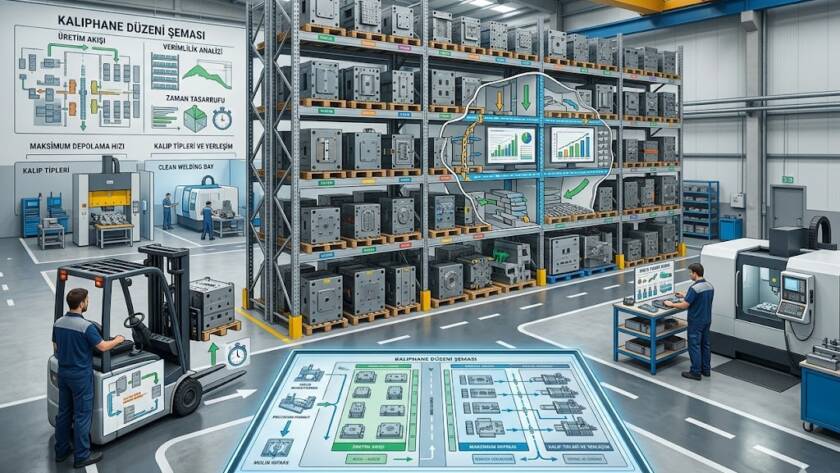
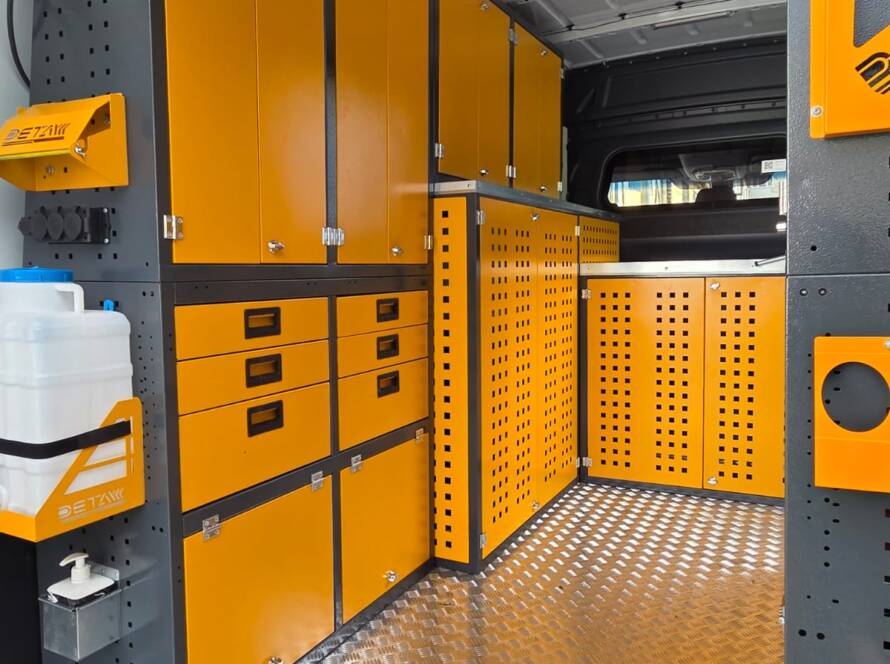
Automotive supplier facilities may include machining, molding, welding, assembly, inspection, and maintenance within the same plant, so tool carts and benches should connect with the wider storage plan rather than operate as isolated islands. Heavy production tooling may require a dedicated mold rack, while a nearby drawer mold rack can support safe access to injection molds or dies. A mobile cart can then carry cleaning tools, connectors, maintenance documents, lifting accessories, and inspection instruments between the storage point and the production machine without placing loose items on the rack drawer or factory floor.
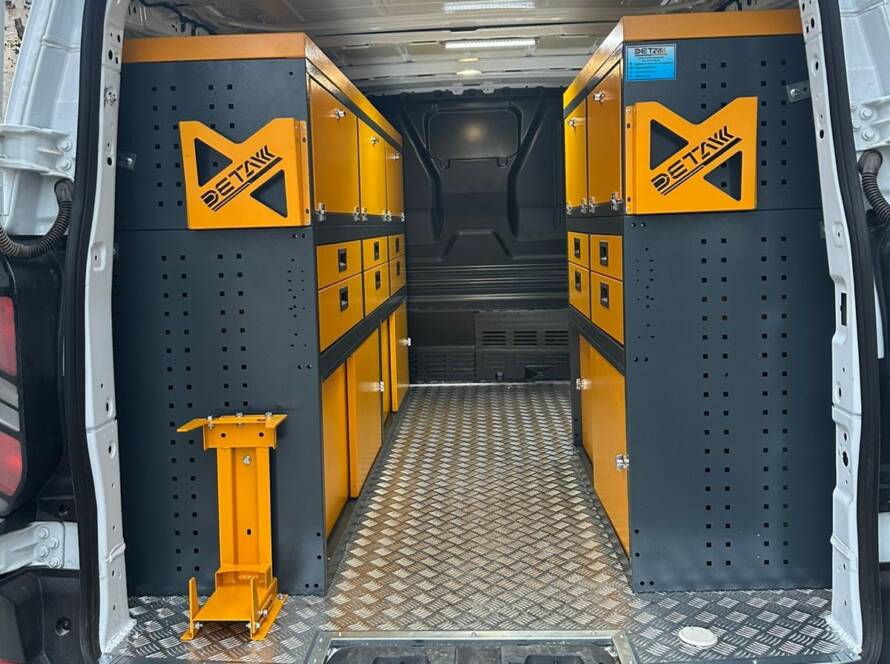
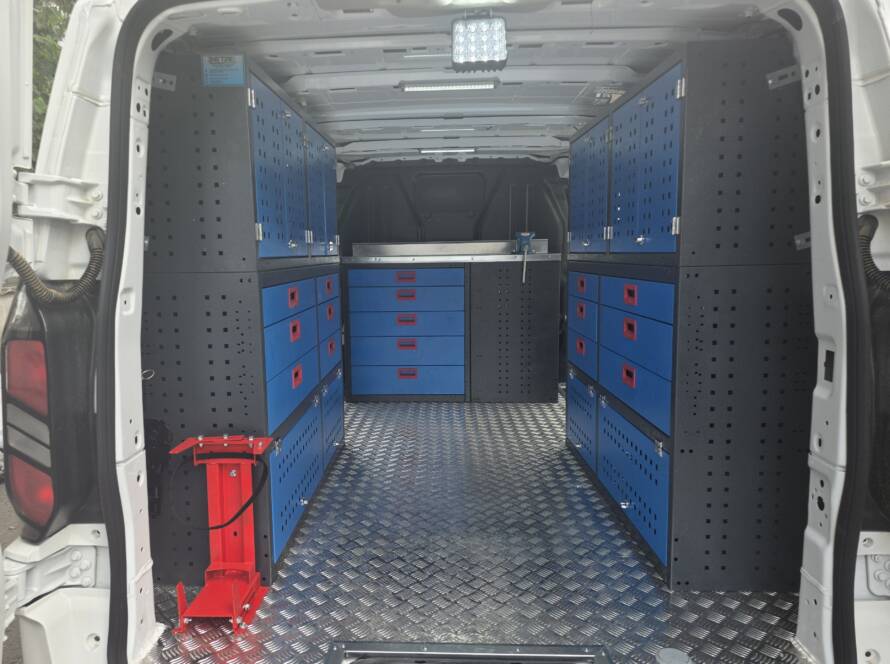
Automotive maintenance teams may also use a secure in-vehicle tool cabinet inside mobile service vehicles and follow the same basic rule applied on the factory floor: every frequently used tool needs an assigned location that supports rapid access and immediate visual control. The technical construction differs, but a consistent storage philosophy across assembly, maintenance, tooling, and field service makes training and inventory management easier.
A Practical Layout Example for an Automotive Supplier
Imagine a supplier assembling electromechanical seat components in three variants on a shared production cell. Operators currently collect fasteners from containers behind the station, share one torque tool between two benches, carry completed units to a distant inspection table, and store model specific fixtures on an open shelf. Cycle times vary between employees, and the area becomes crowded whenever a model change takes place.
I would begin by mapping each operator movement and recording the tools, fixtures, parts, and inspections required for every variant. The main fixed bench would receive the common assembly fixture, balanced power tool, lighting, work instructions, and a protected measuring area. Small components would arrive from the rear in controlled point of use containers so logistics staff could replenish them without crossing the operator’s work zone. The common torque equipment would receive a defined central position or a supported tool rail, while accepted and nonconforming parts would move into clearly separated containers.
Three mobile carts would carry the model specific fixtures, special connectors, gauges, and labels, allowing the next configuration to be prepared before changeover. Heavy fixtures would remain in low drawers, sensitive gauges would sit in padded compartments, and every cart would have the same external connection and identification logic. Operators would test the pilot with normal gloves, containers, parts, and working speeds while the team measured walking distance, reach frequency, cycle variation, changeover time, search time, and ergonomic concerns. This is where Detay Industry can refine the dimensions, drawer depths, worktop height, caster selection, tool panel position, and module interfaces before the layout expands to the remaining cells. 📋🚀
Measure Performance After Installation
A new layout should be evaluated through evidence rather than appearance, because a visually impressive workstation can still create poor reach distances, inconvenient replenishment, excessive cart weight, or new bottlenecks. Useful measures include operator walking distance, search time, changeover duration, cycle time variation, missed torque checks, material shortages, quality defects, tool availability, ergonomic observations, and employee feedback. The team should compare the same process under similar production conditions and review the layout after several shifts, because operators often discover improvements that are difficult to predict during the design stage.
Standardized work should remain open to structured improvement rather than becoming a frozen arrangement. The Lean Enterprise Institute notes that standardized work becomes a basis for continuing kaizen, while NIST describes 5S as a method that removes unnecessary items and makes the position of required tools and parts self explanatory. These principles mean that employees can improve drawer positions, container angles, tool holders, or cart modules when data and practical experience show a better method, provided that the change is documented and communicated consistently.
Conclusion
Tool cart and workbench layout in automotive supplier facilities should begin with the real production sequence and bring tools, parts, fixtures, inspection equipment, and information into positions that support natural movement, safe access, standardized work, and reliable replenishment. Fixed benches provide stability for repeated operations, mobile carts provide flexibility for model changes and technical support, while hybrid layouts combine both strengths when they use clear ownership and defined interfaces. 🌟 I see a well designed automotive workstation as a carefully tuned production instrument, because every drawer, container, tool holder, caster, light, and work surface should contribute to the same rhythm rather than creating competing movements. With employee participation, ergonomic observation, point of use inventory control, modular planning, safe mobility, and performance measurement, Detay Industry can help automotive suppliers create work areas that feel more organized, more responsive, and better prepared for quality production across changing customer demands.